


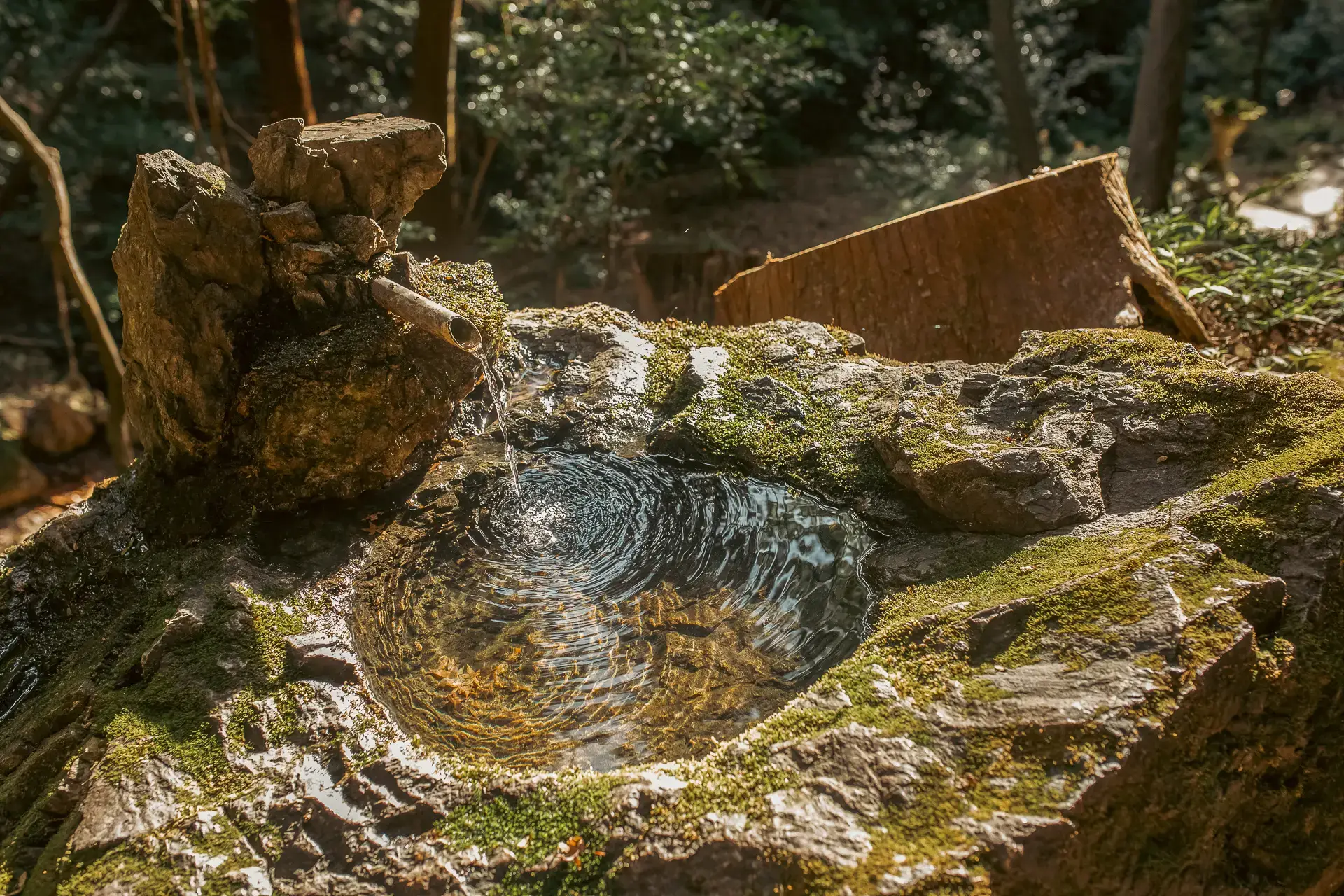
But, what should you take for your summer hikes in Japan?
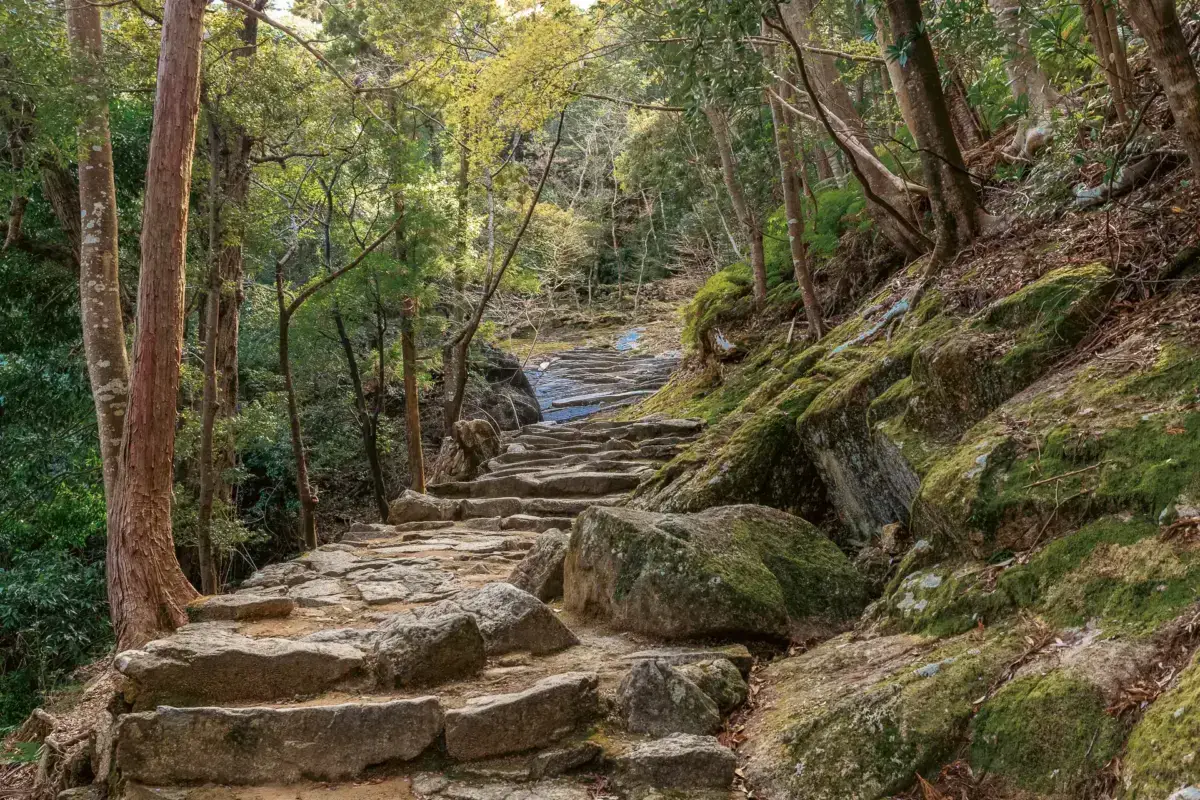
A trail that would allow you to make hiking and walking your main activity during your trip in Japan is the Shikoku Henro or Shikoku pilgrimage. This is a circular route of about 1,200 kilometres passing through 88 temples associated with the life of the Buddhist monk Kūkai (Kōbō Daishi). It is important to remember that this kind of spiritual journey, while not necessary for religious reasons, should always be done with respect, awareness and personal purpose.
Sustainable travel needs to be transformative for you, while also advocating a positive impact on the environment and local communities, so if you go on hiking or pilgrimage routes for personal enrichment, remember to always be respectful of other people and their personal motivations. Of course, there is no need to embark on the full tour, as the area is also popular for bird watching and less ambitious exploratory walks can be undertaken.
If you are travelling this summer, you may be wondering: is it ok to hike in the summer? Should I hike in the heat?
Summer in Japan, between June and September depending on the area, is hot and humid, with an average daily high temperature above 26°C. In Tokyo, the hottest month of the year is August, with an average high of 30°C and low of 24°C (for more details on the climatic conditions click here).
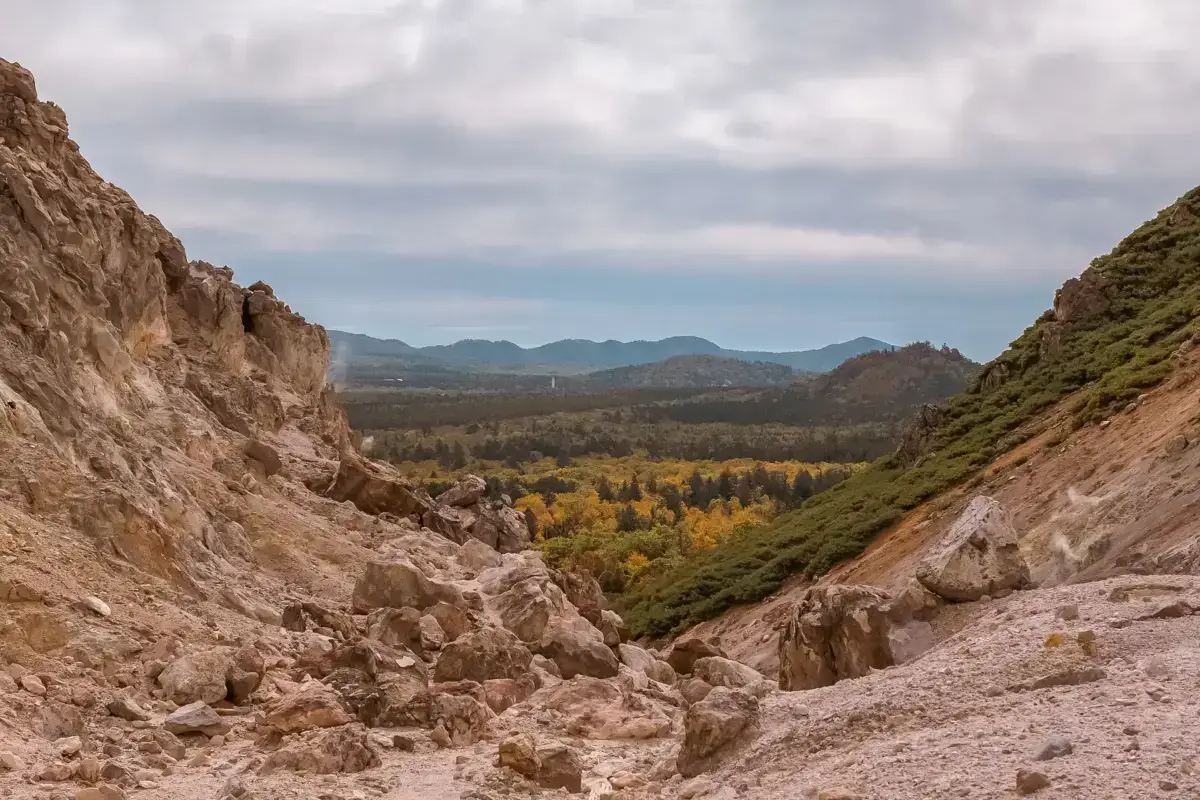
Distribute the weight correctly: how to distribute things in your backpack is almost as important as deciding what to carry. You should arrange it so that the heaviest items are at the bottom and closest to your back. To organise things and make it easier to find them later, especially if you are hiking for several days, you can compartmentalise the various items in bags (made of fabric or organic material).
Get physically ready: if hiking is going to be one of the main activities during your trip, it is important to be prepared beforehand. To do this, get in good physical shape before the trip. We recommend working on your cardiovascular endurance, muscular strength, flexibility and coordination in the months leading up to the trip.
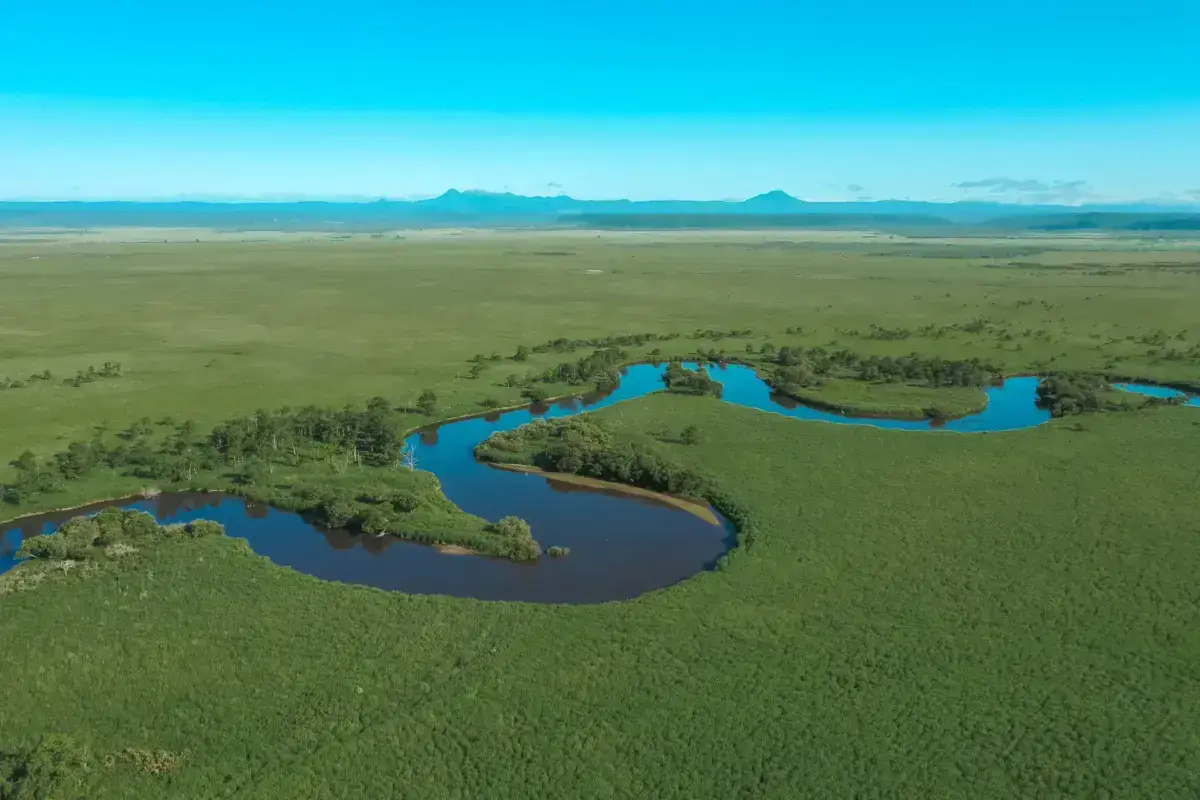
Leave at an appropriate time: avoid the hottest hours by leaving early in the morning or in the afternoon. Remember also that Japan has an earlier sunrise and sunset than many European countries. The earliest sunrise in Japan is June 13th at 4:24 AM and the latest sunset is June 30th at 7PM.
Stay hydrated: good hydration is essential to avoid problems derived from physical activity during a hot day. It is advisable to hydrate and avoid alcohol hours before setting off. During the route, due to the heat, perspiration increases, so our body consumes between 1 and 2 litres of water that must be restored. Take enough isotonic drinks (water plus sodium) and drink whenever you feel thirsty. The amount of water needed varies from person to person, to calculate yours, check out this guide from the University of Arizona. To make this sustainable and not generate waste in the environment, carry a refillable water bottle and do not use plastic bottles.
Protect yourself from the sun: wear sunglasses, sunscreen (an eco-friendly one), a hat and appropriate clothing to protect you from the sun’s rays.
Take regular breaks: it is important to take breaks in the shade. This is the ideal time to reapply sunscreen or eat some nuts, which are rich in salt and help restore blood sodium levels.
Watch out for signs of heat stroke or sunburn: be alert to the symptoms of heat stroke (dizziness, fatigue, vomiting, rapid pulse, disorientation, etc.) or skin burns. Prevention is better than cure!

Eat properly: eat nutrient-rich foods such as fruit and vegetables, whole grains, low-fat dairy products, lean meats and fish, and healthy fats such as olive oil or nuts. It is advisable to consume carbohydrates after physical activity to refuel muscles and recover quickly.
Rest enough: good rest is essential for an effective muscle recovery. Make sure you get adequate rest before and after exercise, especially if you will be hiking several days in a row during your trip.
Stretch: after physical activity, stretching is good for faster recovery. Here are some exercises that are suitable for a post-hiking stretching routine, as they are based on the areas of the body that are most affected during this practice.
Recycle waste: during your route you may have generated some kind of waste (the bag of dried fruit, the bottle of sun cream that has run out, etc.) that you have been saving. Now, back to the nearest town or city, it’s time to get rid of this nuisance by recycling it.
As we have already seen, it is important to think about certain aspects before, during and after the route to ensure not only our well-being but also that of our environment. We have talked about the use of eco-friendly and biodegradable sun creams, the importance of using canteens instead of plastic water bottles, of saving the waste we generate and recycling it when we return to the nearest town.
To make our summer hiking as sustainable as possible, we must also think about our impact during the hike. Remember that it is important not to stray from the established trails so as not to damage the flora, and to walk quietly so as not to disturb the wildlife. If you want to know more ideas on how to travel in a sustainable way, take a look at the recommendations in this other article we prepared for you.

Now we want to know about you: what is your must-have item for your summer hikes? Share it with us in the comments!