


Hachijojima, is an island located in the southern part of the Izu Islands within the Fuji-Hakone-Izu National Park. With its abundant nature and unique culture, this island, just about a one-hour flight from Tokyo, takes you to a world that seems unlike Tokyo.
In this article, we will share the new face of Tokyo which we discovered during a 2-night and 3-day trip to Hachijojima specifically designed for luxury foreign visitors, organized by Tricolage in December 2023.
On the first day, we focused on culture and learned about the unique history and culture of the island.
Tamaishigaki, a stone wall built by gathering round stones to protect dwellings from rain and wind. We visited the Ozato area near the former island government office, where many of these stone walls remain. We had the privilege of hearing a special talk from Mr. Kunihito Kikuchi, who has inherited the technique of building stone walls using the “roppouzumi” method, where one stone is surrounded by five others.
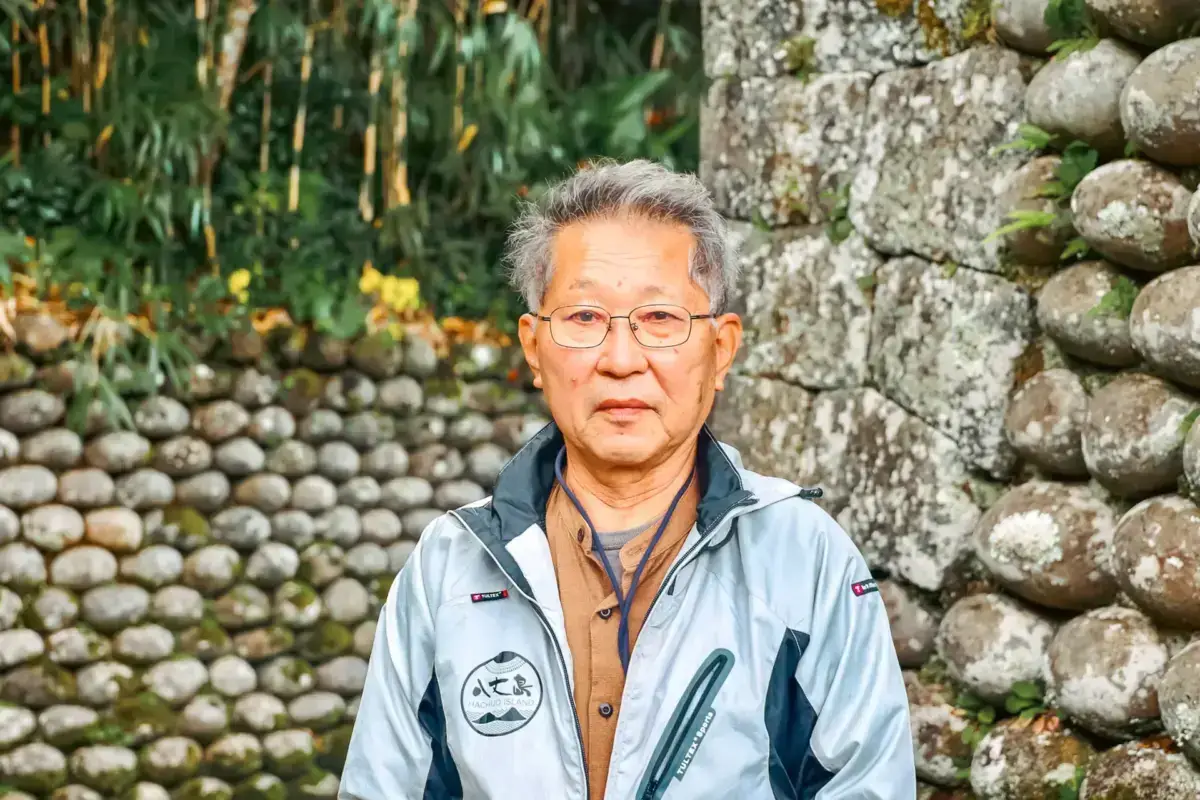
People of former days transported round stones (approximately 20-25 kilograms), washed by strong waves on the coast, and stacked them by adhering them with soil. To stack them neatly, it is crucial to choose egg-shaped stones of similar sizes and ensure that all faces of the stones touch each other. Mr. Kunihito shared, ” I helped my father repair stones since high school, I naturally acquired the skills. Even now, if something breaks, I repair it.”
Then, Mr. Kunihito performed “Shome-bushi,” an island folk song sung with hand clapping at Hachijojima’s bon dances and gatherings. It was a wonderful experience for the guests to directly learn about the origin of stone walls and folk songs from the island’s way of life, and everyone left satisfied.
Kihachijo, a traditional craft and one of Japan’s three major textiles, is known for its distinctive dyeing and weaving techniques. This silk fabric features three main colors derived from plant-based dyes: yellow, reddish yellow, and black. In the past, it was woven on ground looms but on high looms in modern times. Kihachijo is considered to be the island’s name origin.
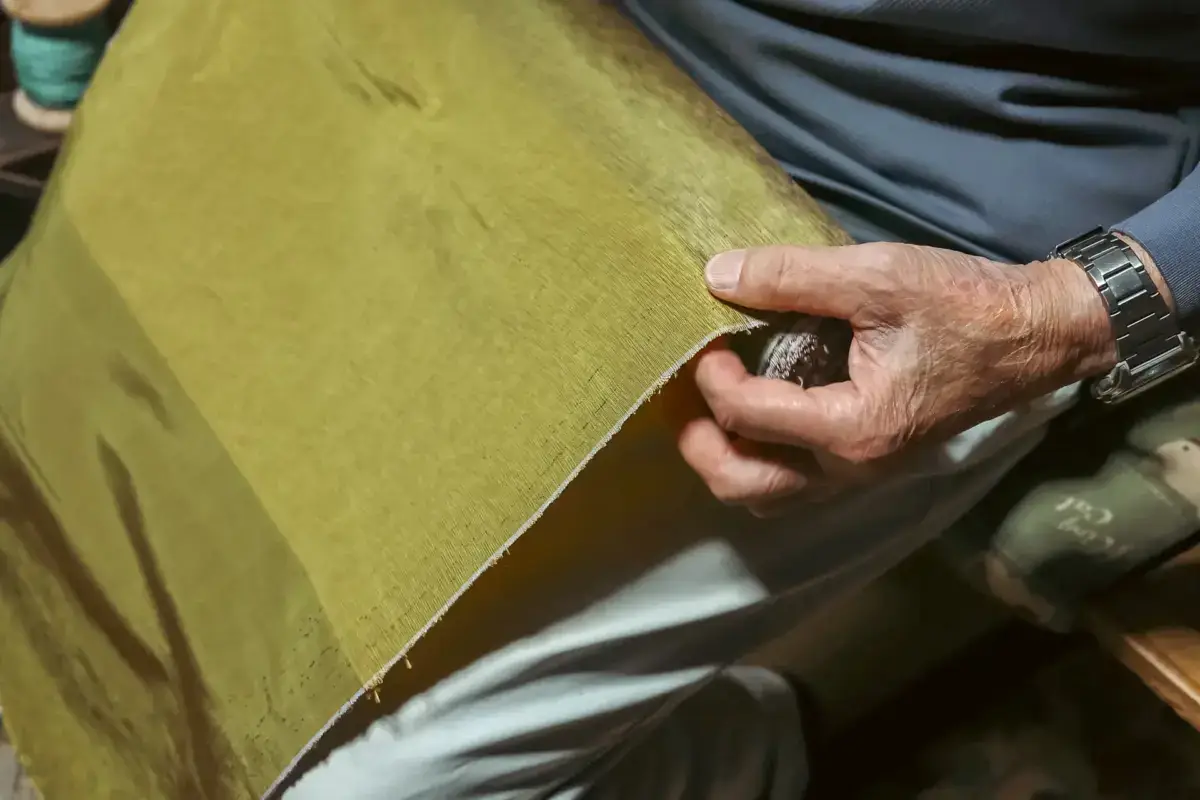
Mr. Homare Yamashita, who has been passing down the dyeing and weaving techniques through generations, takes pride in the continuation of this cultural heritage. “The dyeing technique has been exclusively passed down in the Yamashita family for generations. These unique three colors have brought happiness to the people of this island that cannot be found elsewhere.”
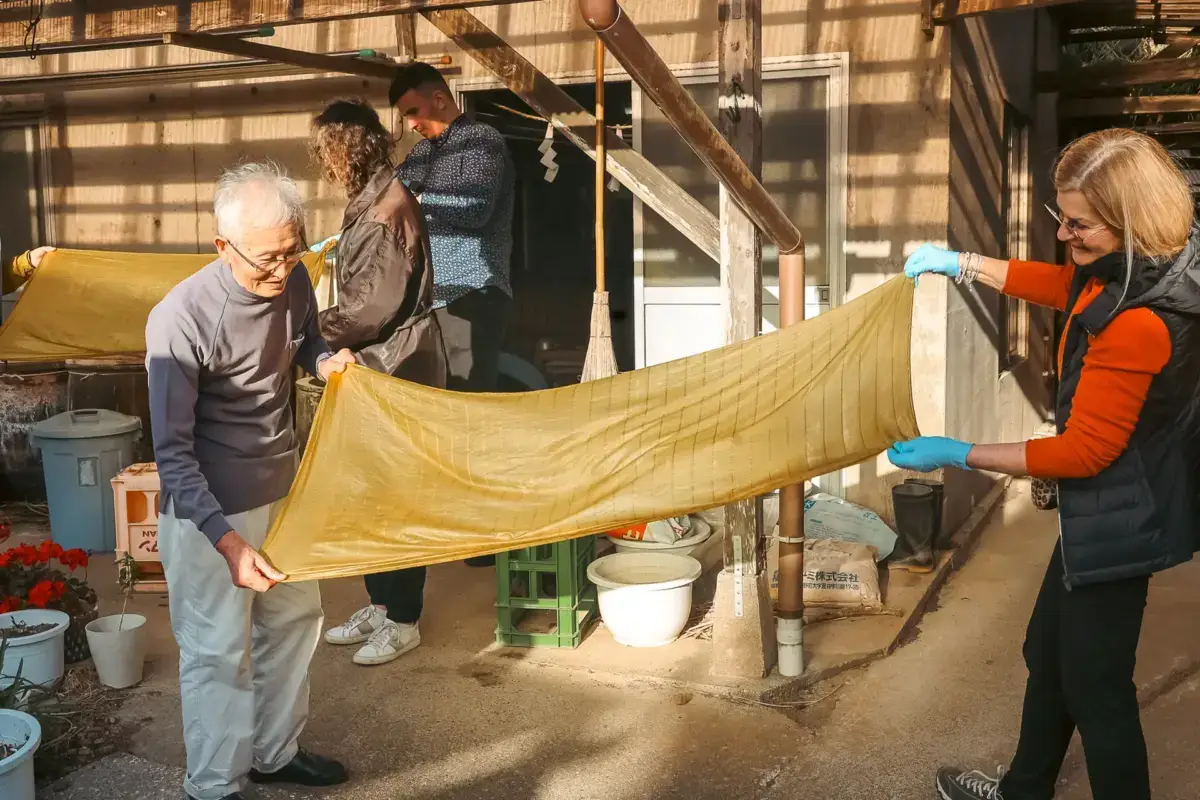
We had the opportunity to see the traditional ground loom and the precious Kihachijo kimono. As a special experience, we participated in a part of the dyeing process, dyeing a scarf in yellow. The scarf we dyed ourselves became a one-of-a-kind souvenir.
The guests who experienced the precious tradition expressed, “It was a truly wonderful authentic experience. We hope that Mr. Yamashita, without bearing the burden alone, will continue to pass down this traditional culture for a long time to come,” they felt a strong desire for cultural inheritance.
We experienced harvesting “Umikaze Shiitake,” born from domestically cultivated mushroom beds, at the local farm, on the warm Hachijo Island. We grilled the freshly harvested shiitake on the spot and tasted them. Mr. Osawa, the president of the farm, guided us with overflowing local love, expressing his desire to enhance activities such as harvest experiences and tastings as part of the tourist farm. He also expressed a wish to collaborate with various islands to attract tourists and give back to his hometown.
The freshly grilled shiitake, grown under the influence of the island’s warm climate, was thick and incredibly delicious.

As the conclusion of a day filled with learning and experiencing the history and origin of the island, we enjoyed a special Italian dinner prepared by the chef of Elio Locanda Italiana, which has deep connections to Hachijo Island. The menu featured abundant use of ingredients sourced from Hachijo Island, and the chef offered a full Italian course, including a risotto made with shiitake harvested pasta with Ashitaba leaf and Hachijo lemon, Hachijo cheese cannoli, and a Hachijo passion fruit mousse.
The chef shared, “I have visited Hachijo Island several times and have established connections with local producers. So, I directly sourced abundant ingredients for today’s menu, most of which are from Hachijo Island.”
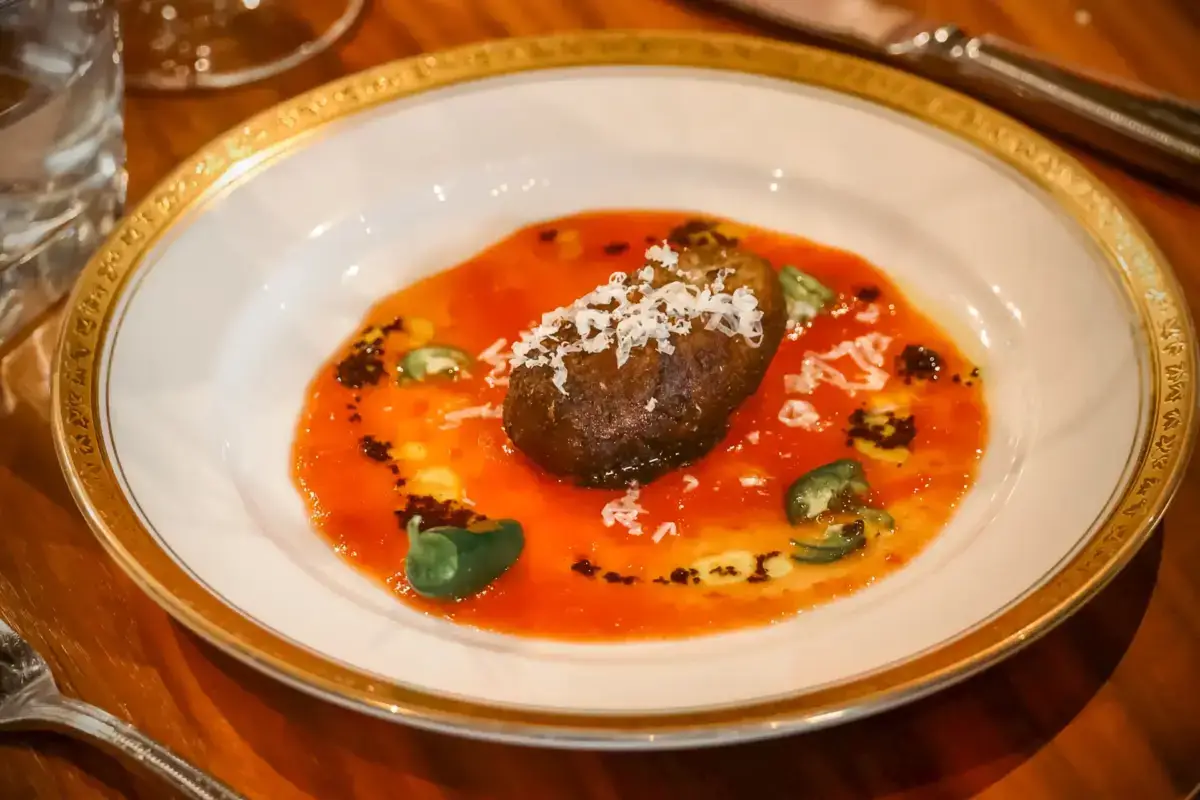
The guests were delighted with the special dinner offered by the chef, who is well-versed in the island’s ingredients. They commented, “It was a perfect experience where we could fully enjoy Hachijo Island’s ingredients—a truly memorable and wonderful dining experience.”
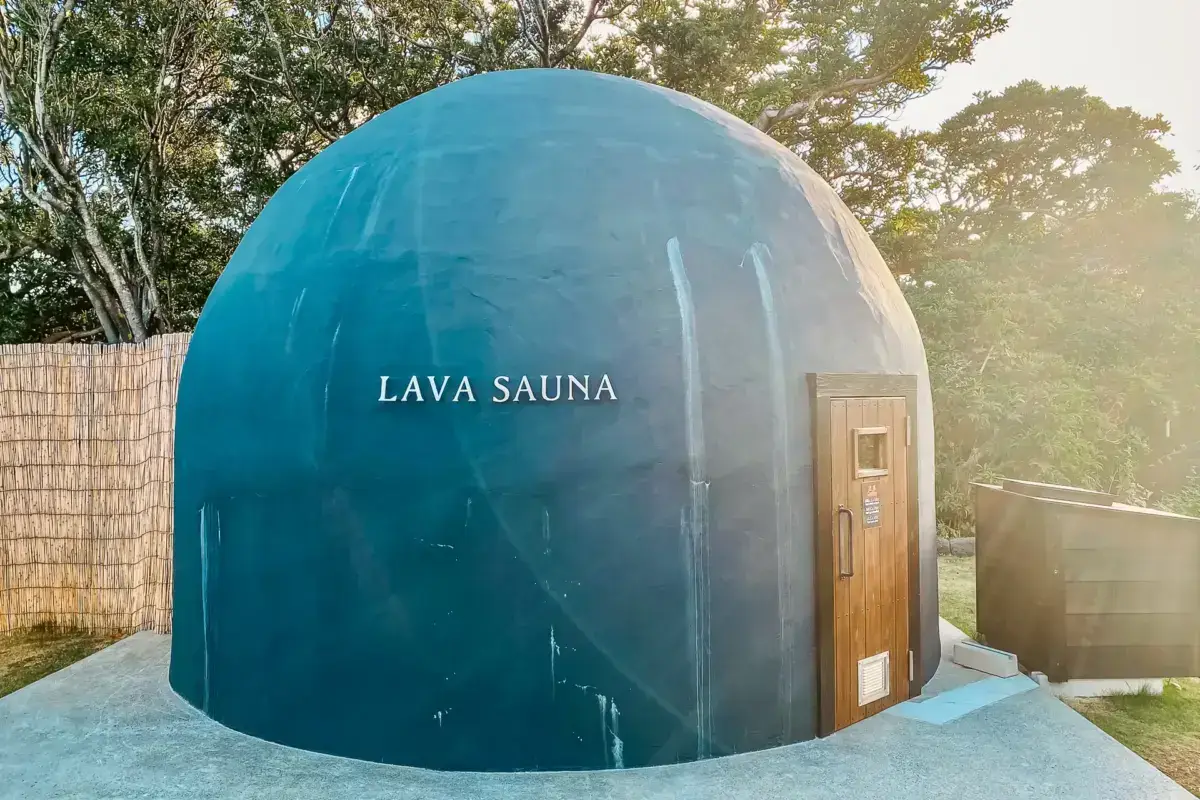
The accommodation for this trip, LAVA SAUNA & VILLA, is a luxury resort surrounded by abundant nature. It offers a comfortable space where nature and sauna seamlessly merge, allowing you to fully enjoy an exquisite relaxation experience and forget the passage of time. The sauna under the starry sky is exceptional!
On the second day, we experienced the grand nature of Hachijo Island, including its volcanoes and plants, through our five senses.
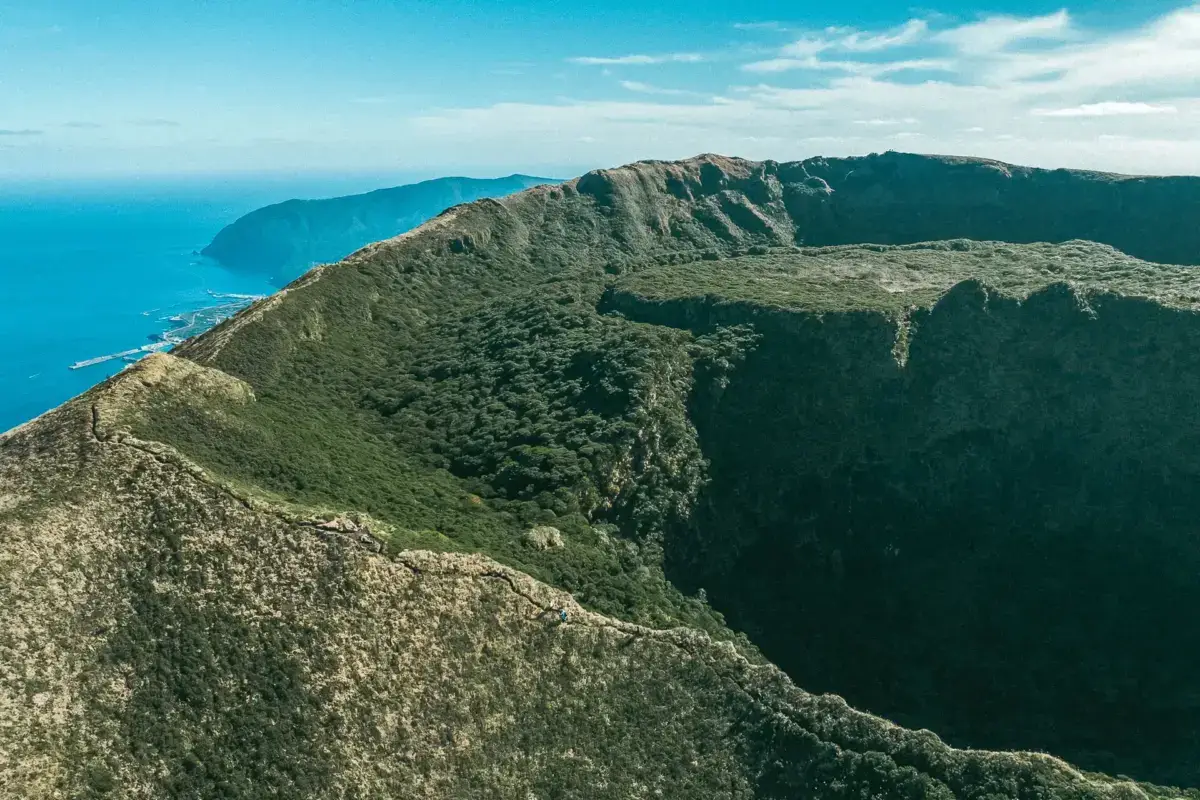
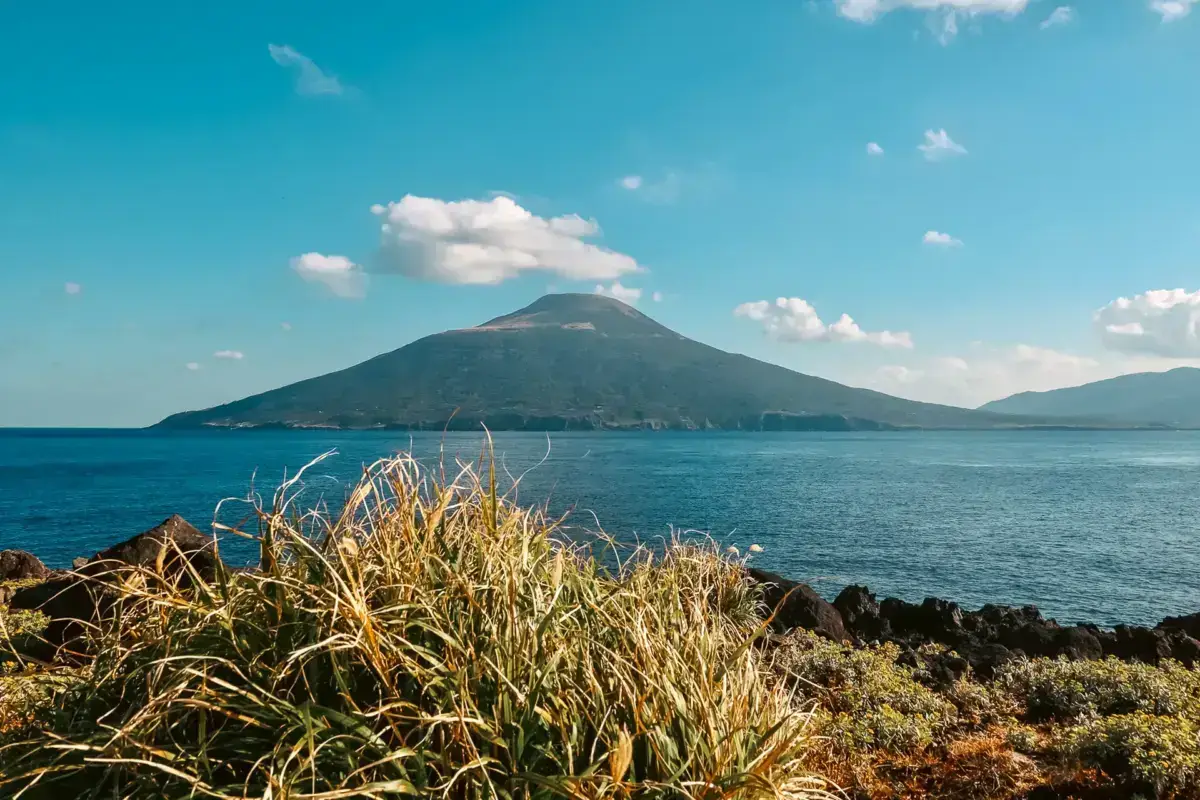
Hachijo Fuji, towering to the west of Hachijo Island, is the highest peak in the Izu Islands at an elevation of 854 meters, resembling the majestic Mount Fuji. The trail to the volcanic crater has many stairs, making it relatively easy to walk, and even beginners can comfortably trek.
Ms.Ohrui, a nature guide, explained the flora, fauna, and the formation of Hachijo Fuji. “What makes Hachijo Island unique is that you can enjoy both volcanoes, the ancient Mt. Mihara and the newer Hachijo Fuji. Since this island was formed by a volcano, creatures have come across the sea, and there are no large mammals. Therefore, the plants here have grown in a different natural environment compared to the mainland. With their defense mechanisms diminishing, the plants on Hachijo Island are a bit lazy, haha.”
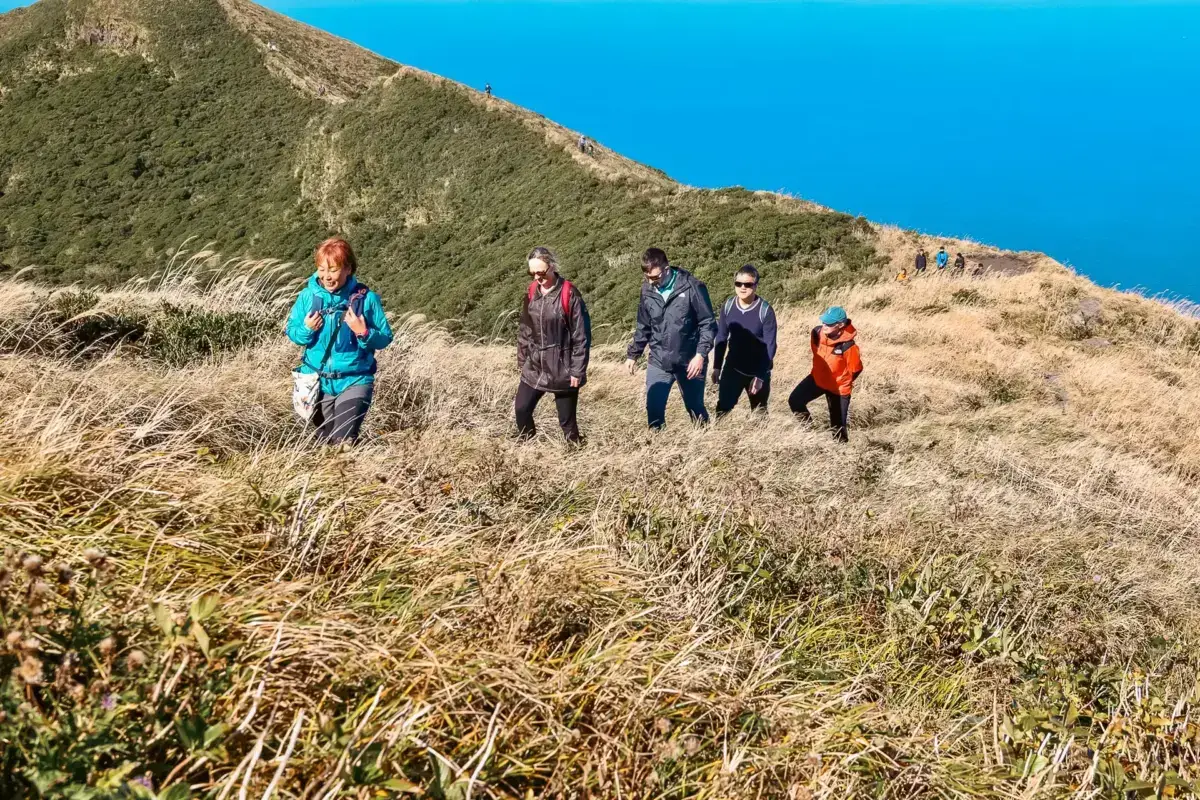
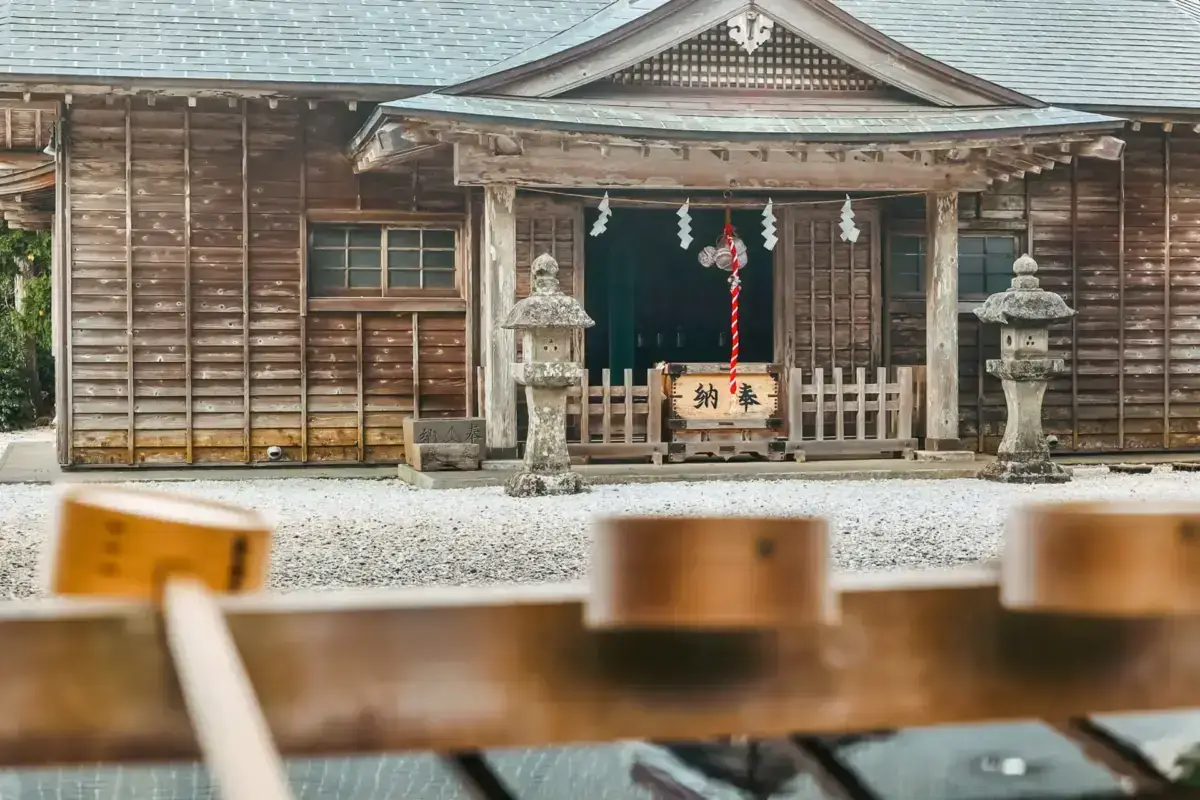
Listening to such stories, we arrived at the volcanic crater trail. From here, we ascended a slightly challenging path to the summit. The view from the top, overlooking the lush crater, the endless sea, and the entire island, is exceptional. Within the crater, surrounded by a deep forest, there’s also Asama Shrine, named after Mt. Fuji and a place of worship for the residents. The guests exclaimed, “The weather is perfect, and this is a fantastic activity. For me, it’s a ‘must’ on the island!” The breathtaking scenery from the summit left the guests exhilarated.
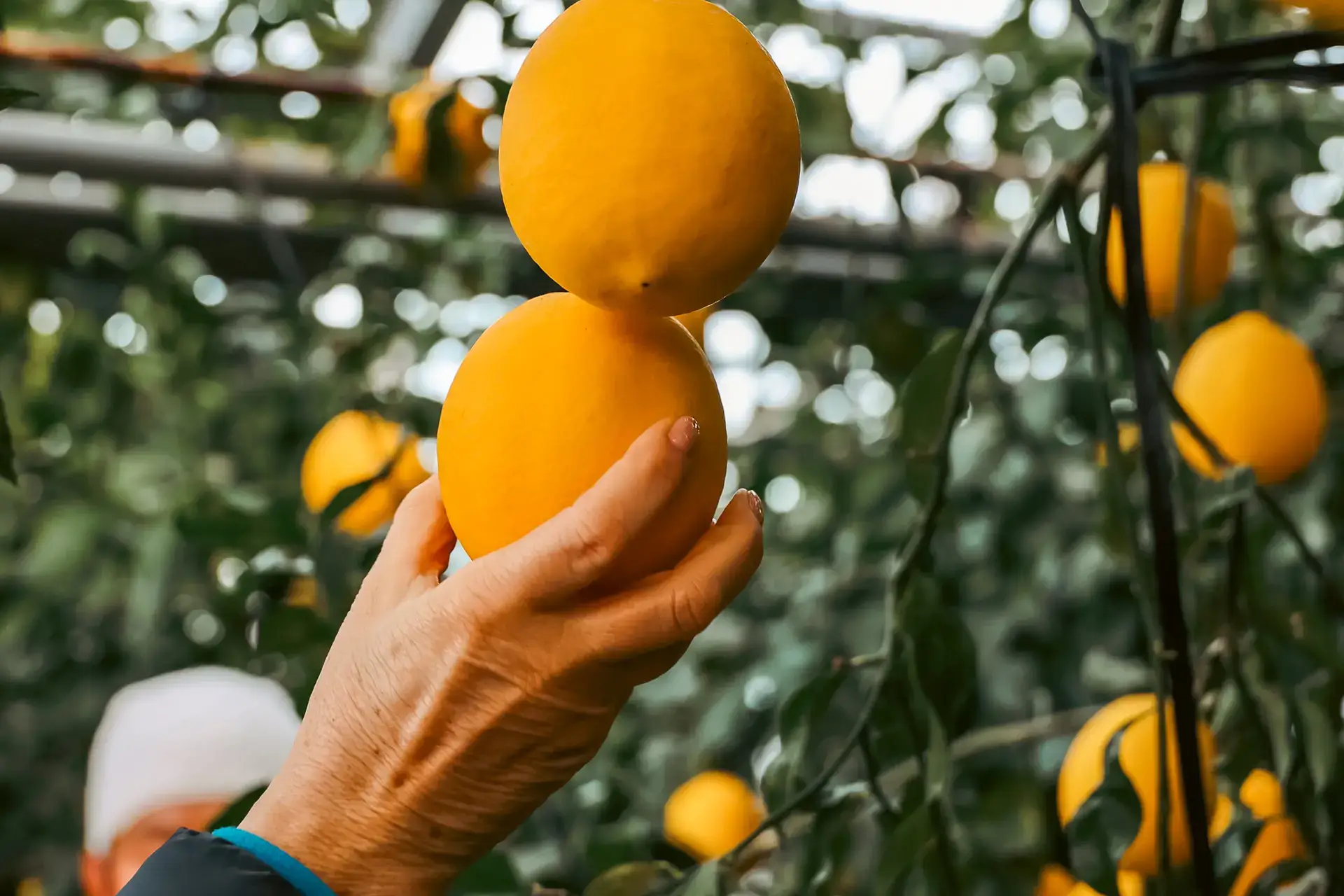
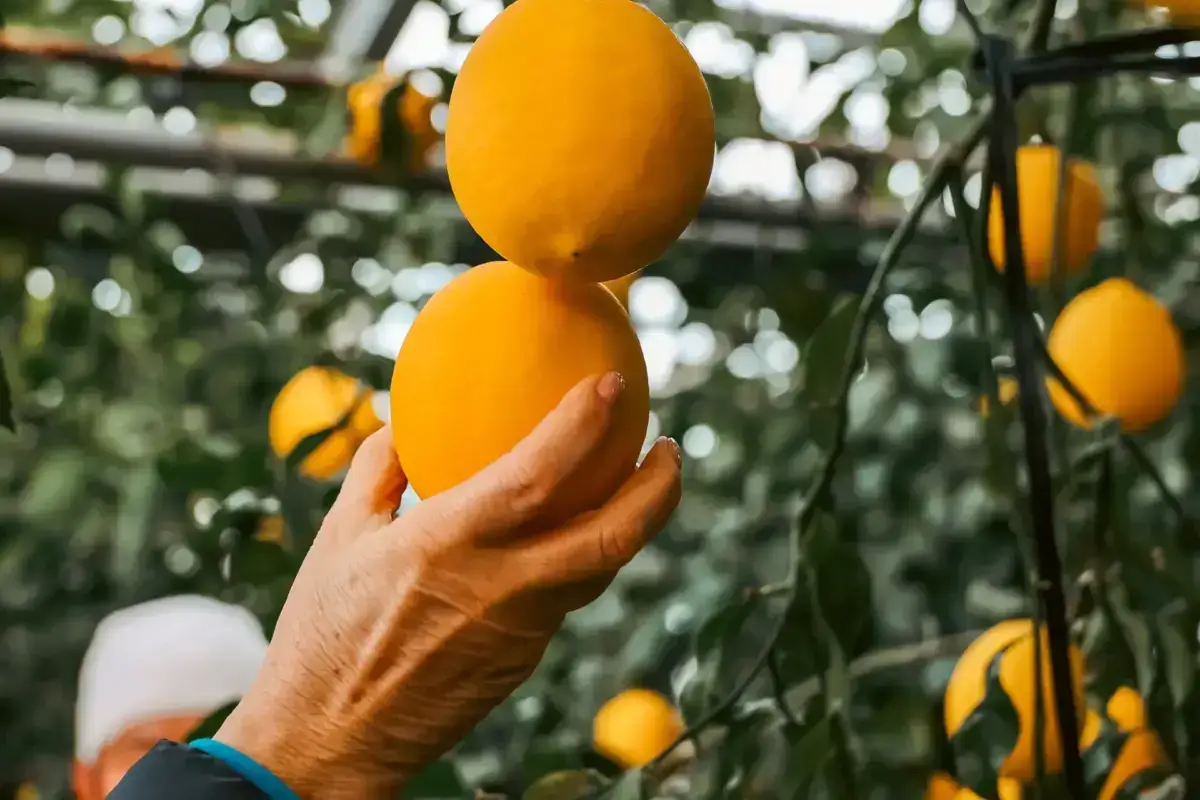
At the Hachijo Lemon Farm, specializing in a unique lemon variety where both the peel and the flesh are edible, Mr. Nishihama, who cultivates these lemons, shared that he spent about 10 years experimenting and refining the unique variety. We had the opportunity to taste these lemons and then enjoyed lemon soda, pinchos, pasta, and tiramisu at a nearby cafe.
While enjoying the meal, we were treated to a special performance of powerful Hachijo Taiko drumming. Mr. Nishihama and Mr. Chris, demonstrated a unique Hachijo Island drumming style. They placed the drum horizontally on a stand and played it together, with one person providing the rhythm (downbeat) and the other improvising freely in response to it (upbeat).
Mr. Chris, who is from United States, shared “ I was a drummer and was deeply impressed by the performance of Hachijo Taiko. So I decided to move to Hachijo Island and play as a member of the Hachijo Taiko group. I want to convey the greatness of this performance to many people.” It’s inherited that people from overseas also share the charm of traditional Hachijo Taiko.
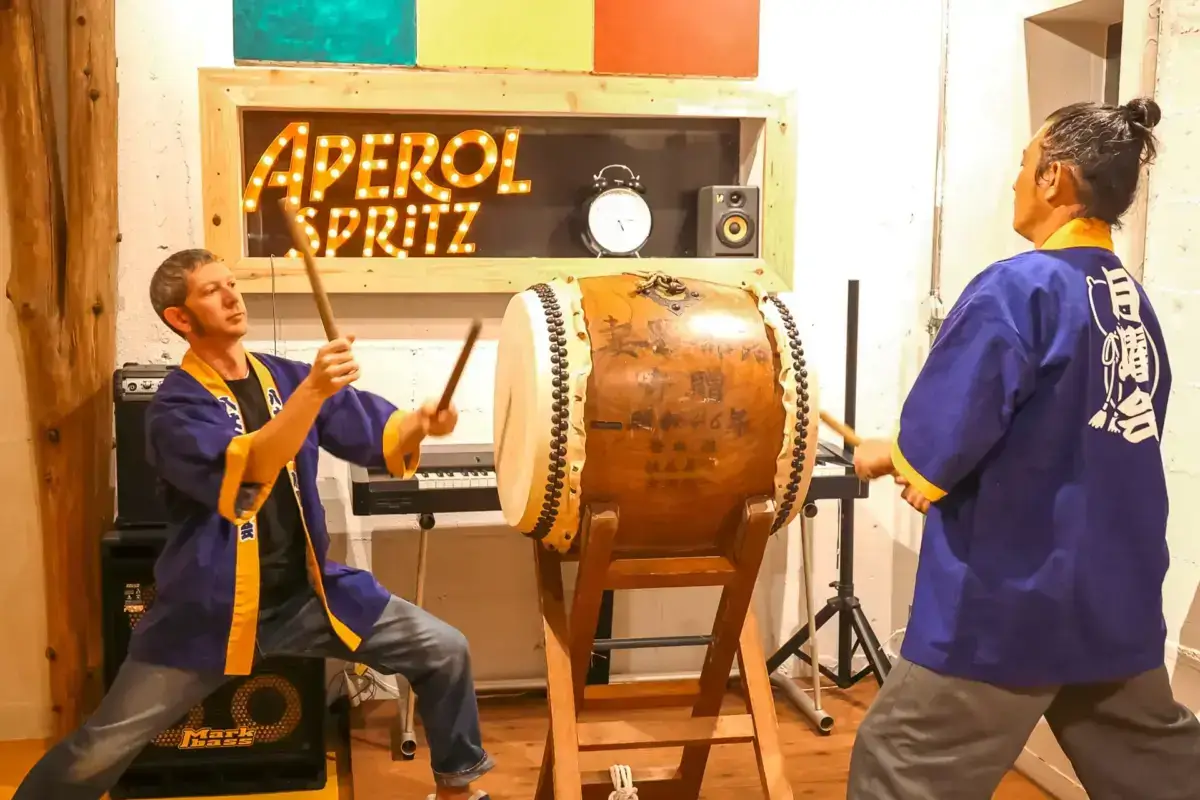
After their performance, the guests had the chance to experience playing the drums themselves, creating a connection through the atmosphere and vibrant music. One participant expressed, “Being able to participate in the performance and connect with everyone through music is a great experience!” Everyone thoroughly enjoyed the lively atmosphere.
On the third day, we leisurely experienced island life with the islanders.
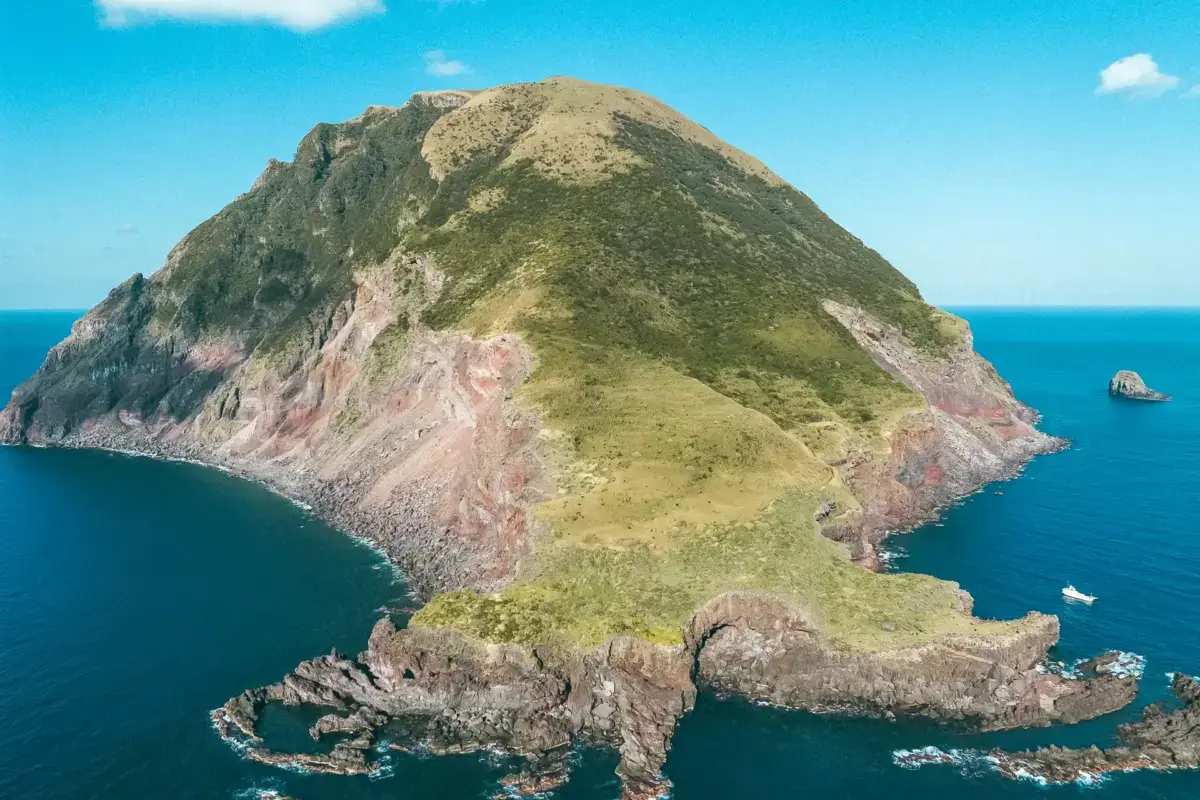
We embarked on a fishing boat cruise to the uninhabited island near Hachijo Island, called Hachijo Kojima. With special permission, we landed on the island and were able to observe it up close. The Village ruins of the former settlement hint at the lives of the islanders who lived there until about 60 years ago.
Currently, the island is gradually returning to its natural state and has become a breeding ground for the near-threatened species, the Black-footed Albatross. Normally, entry for general tourists is prohibited during this season, but for this occasion, we landed with the guidance of nature guide, Ms. Iwasaki, ensuring minimal impact on the environment. We explored the island while being mindful of its surroundings.
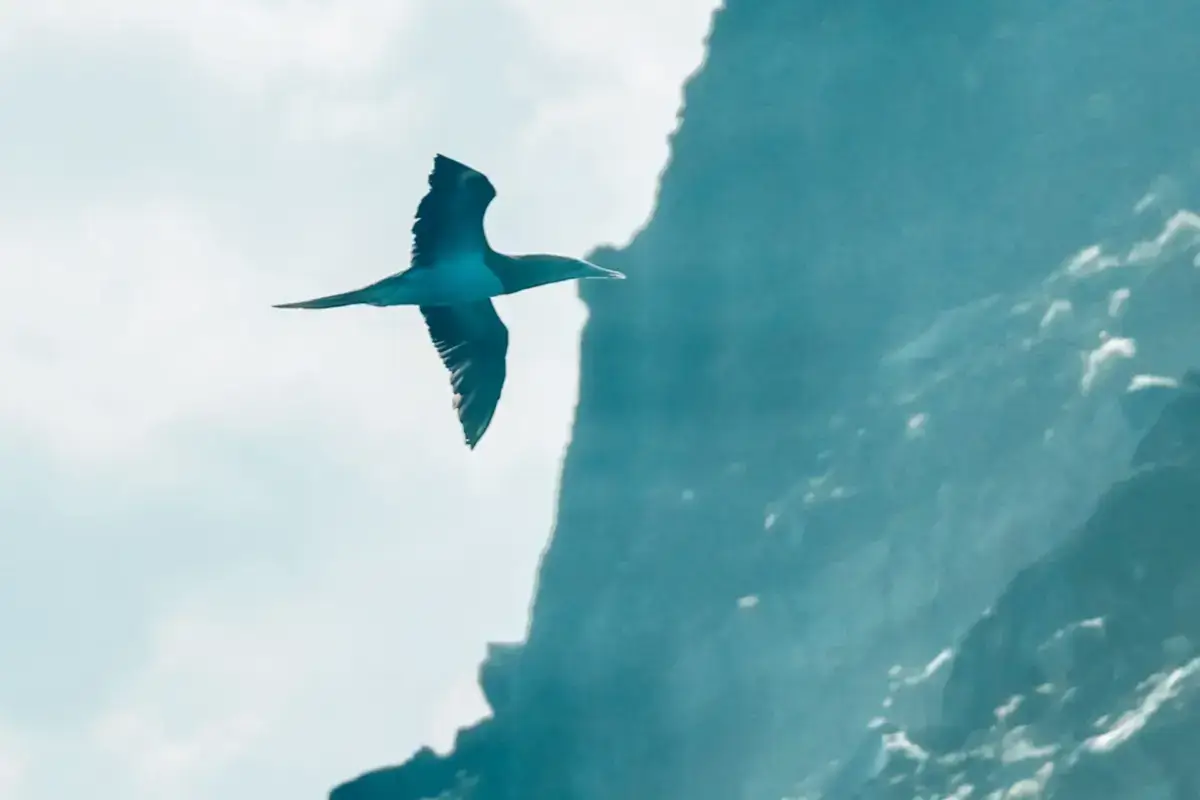
Ms. Iwasaki who is also town councillor supervised the entire tour emphasizing a strong connection to nature. She expressed, “In naturally abundant places like Hachijo Island, I hope we can balance nature conservation with economic activities. I want to protect the rare Black-footed Albatross and, once their numbers increase, I would like to show them to visitors.” The guests were highly satisfied with the extraordinary experience of landing on a seldom-visited island and enjoying various aspects of the island from the boat.
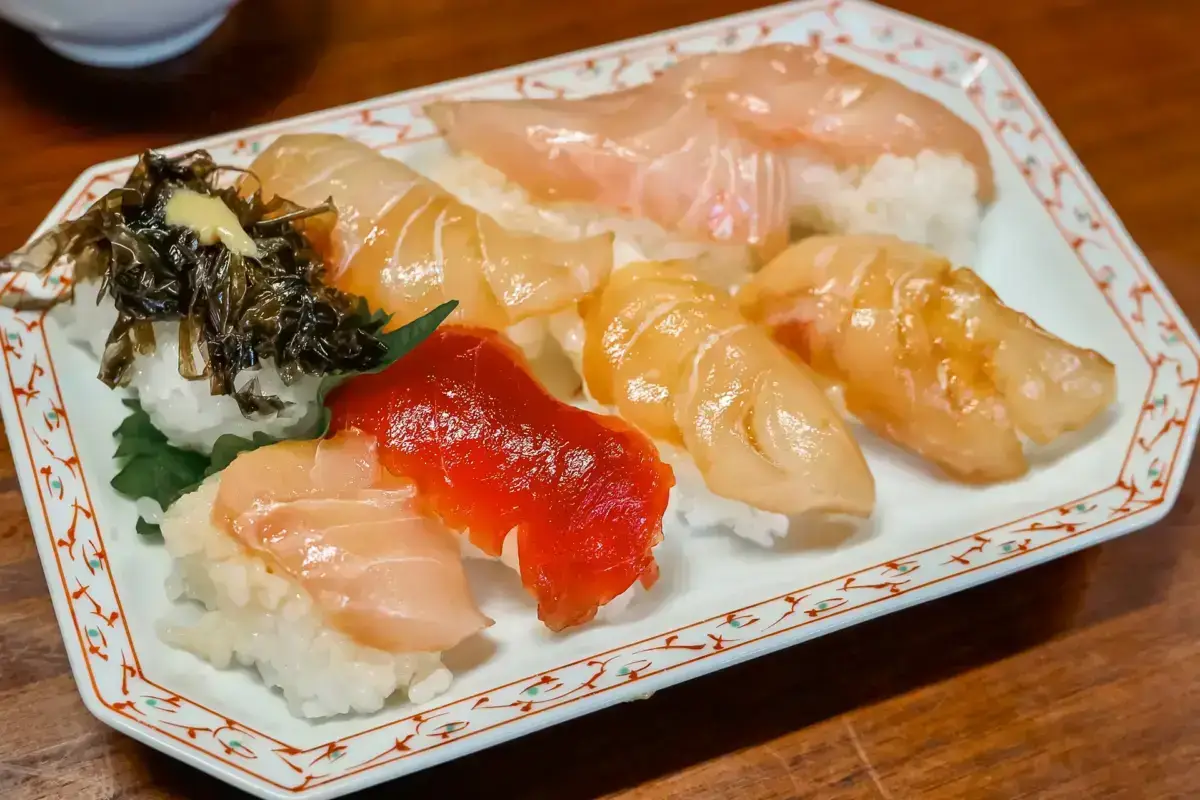
We enjoyed cooking Shima-zushi (island sushi) with Eiko, a beloved grandma cherished by the islanders. Shima-zushi is a local dish where seasonal fish is marinated in soy sauce, placed on slightly sweetened vinegar rice, and topped with mustard. In the warm and homely atmosphere of the traditional island residence, we made Shima-zushi and tempura with Ashitaba leaf, savoring the island’s hospitality and traditions.
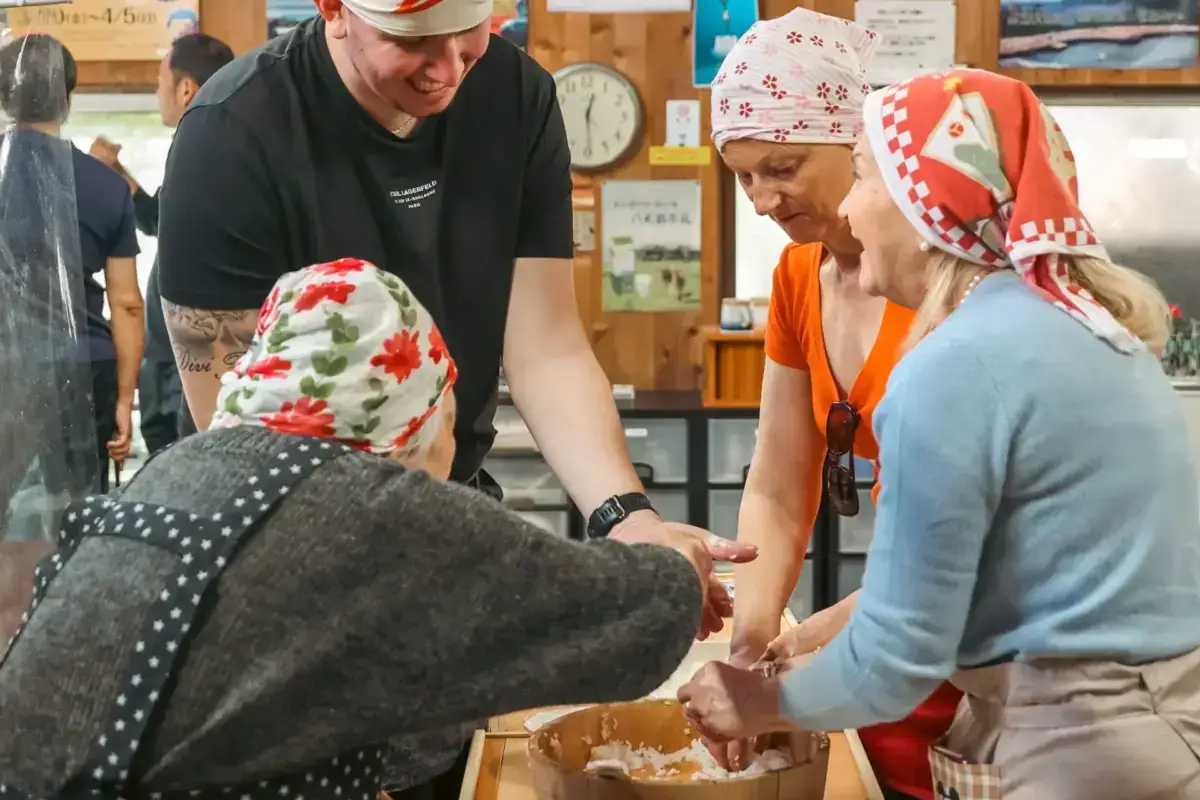
While making sushi, Eiko Grandma praised everyone with words like “Excellent! Very good! Well done!” Crossing the language barrier, genuine connections were formed between her and the guests.
The guests enjoyed eating and said, “It tastes even better because we made it ourselves! It’s a fantastic experience to interact with the locals and gain a deeper understanding of the tradition.” They were highly satisfied.
Eiko Granma shared, “I’m doing these experiences to spread the island’s culture.” Her heartfelt intentions were conveyed, adding a special touch to the overall experience.
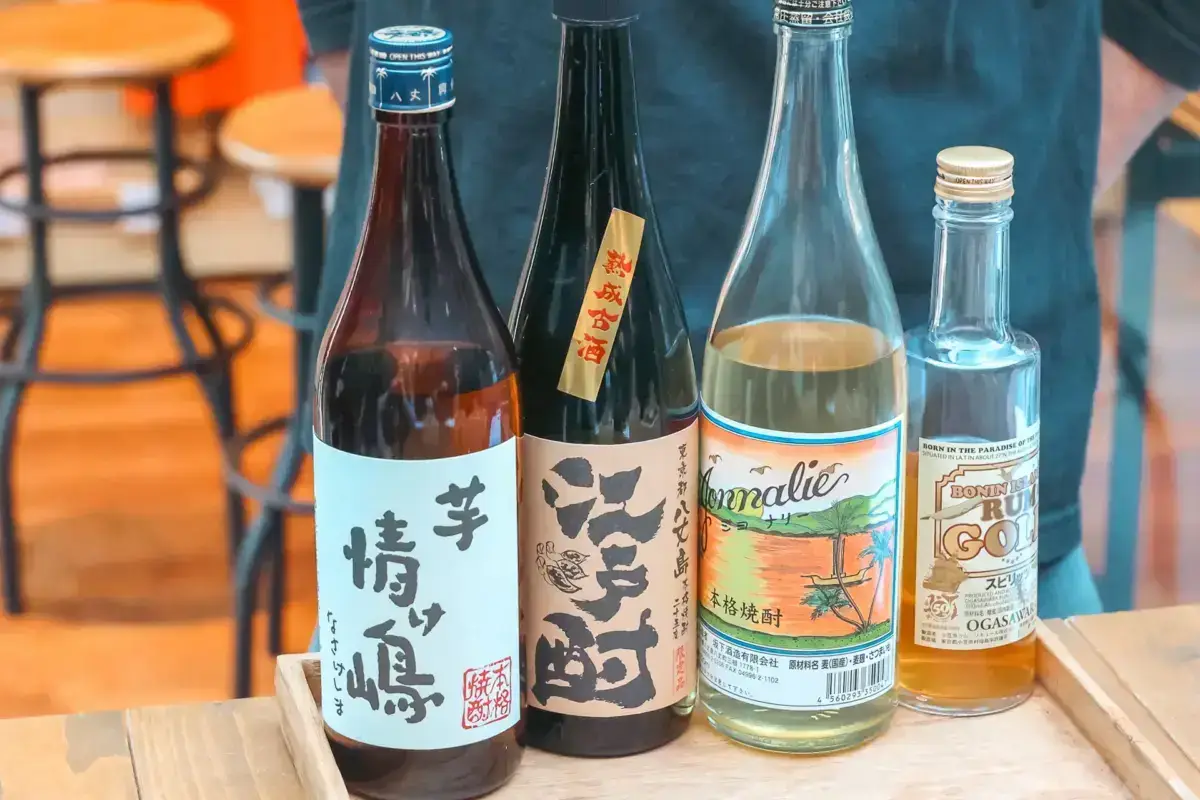
Hachijo shochu produced on Hachijo Island has been cherished by the islanders for a long time. At Yamada store, they sell authentic shochu blends of the brewery, including potato, barley, and a blend of barley and potato. This time, we had a special tasting of four types of sake: “Imonosakejima Potato Shochu,” “Edo Shu Potato Shochu,” “Jonari Barley-Potato Blend Shochu,” and “Ogasawara Rum Gold.”
Mr. Yamada, the owner, expressed his desire to convey the island’s food culture through shochu that allows people to savor the island’s nature and culture. The guests who tried the tasting commented, “It’s a great opportunity to buy locally produced items, and tasting shochu is very interesting.” They thoroughly enjoyed it.
Throughout the three-day tour, we pursued the luxury of enriching the heart by experiencing the charms of Hachijo Island. The diverse culture brought by its people and the Kuroshio current, the rich and unique nature specific to volcanic islands, and the lives of the islanders—all through our five senses.
Not only the locals, who exude love for their island, but also migrants from within and outside Japan are actively conveying the island’s charm in various ways. They are exceptionally kind to travelers. As the guests express, “The best charm is the interaction with the locals. This island and the people who call it home have a very special place in my heart.” Once you meet them, you’ll want to meet them again.
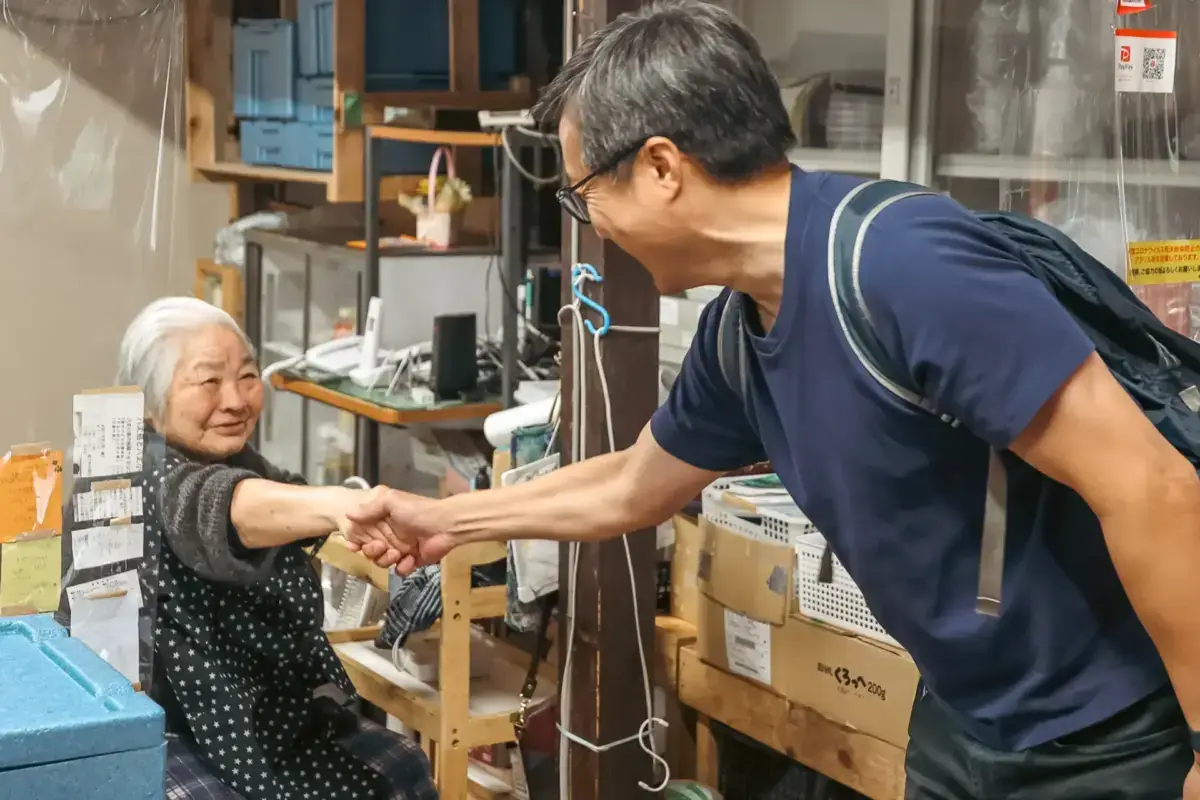
On this tour, we crafted a Sustainable Luxury journey in collaboration with the local community. If you’re interested in organizing a trip that fosters connections with local residents, or if you’re seeking an experience in Sustainable Luxury travel, please reach out to Tricolage from here.
Consider exploring the captivating Hachijo Island, a novel destination just an hour away from Tokyo. Our team at Tricolage is dedicated to assisting those who aim to blend sustainability and luxury in their travels, or who wish to engage deeply with local communities.