


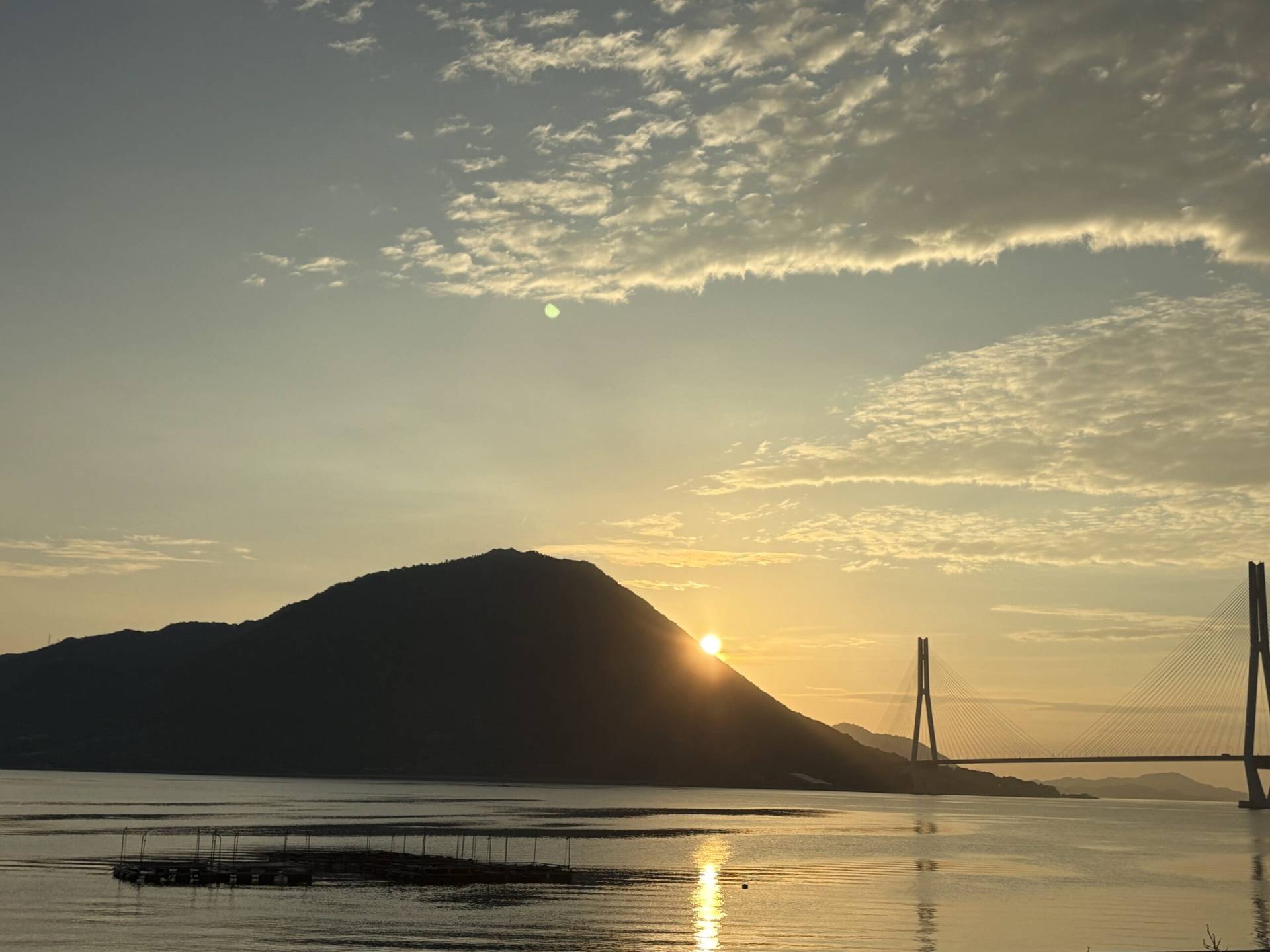
Surrounded by the Seto Inland Sea, the Setouchi region spans seven prefectures—Hyogo, Okayama, Hiroshima and Yamaguchi on Honshu, and Ehime, Kagawa and Tokushima on Shikoku—along with around 700 islands scattered throughout the sea. Join me on a trip to discover the beauty and appeal of three different locations.

Sitting at the western tip of Japan’s main island, Yamaguchi Prefecture remains somewhat off the radar for international visitors. I discovered its charms when I visited the small hot spring town of Nagato Yumoto Onsen. Yamaguchi Station is reached in just over five hours by bullet train from Tokyo, followed by an approximately one-hour drive to the onsen town.
Rather than being centered around a single sightseeing spot, the town itself is the attraction here, with nature and tradition creating an irresistible blend. I followed the walking path along the Otozure River, with footbaths, cafés and restaurants lining the banks. At the center of town stands Onto, a hot spring with around 600 years of history, where the water bubbles up directly beneath the bath. It has been an essential part of local life for generations.
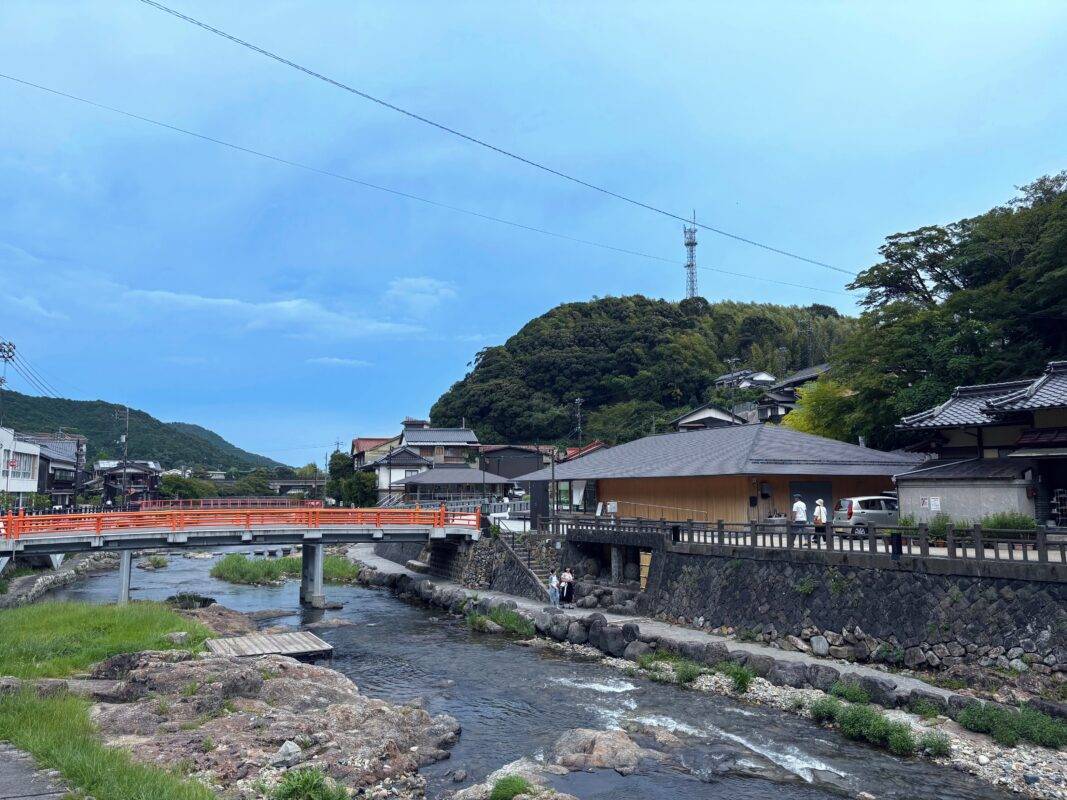
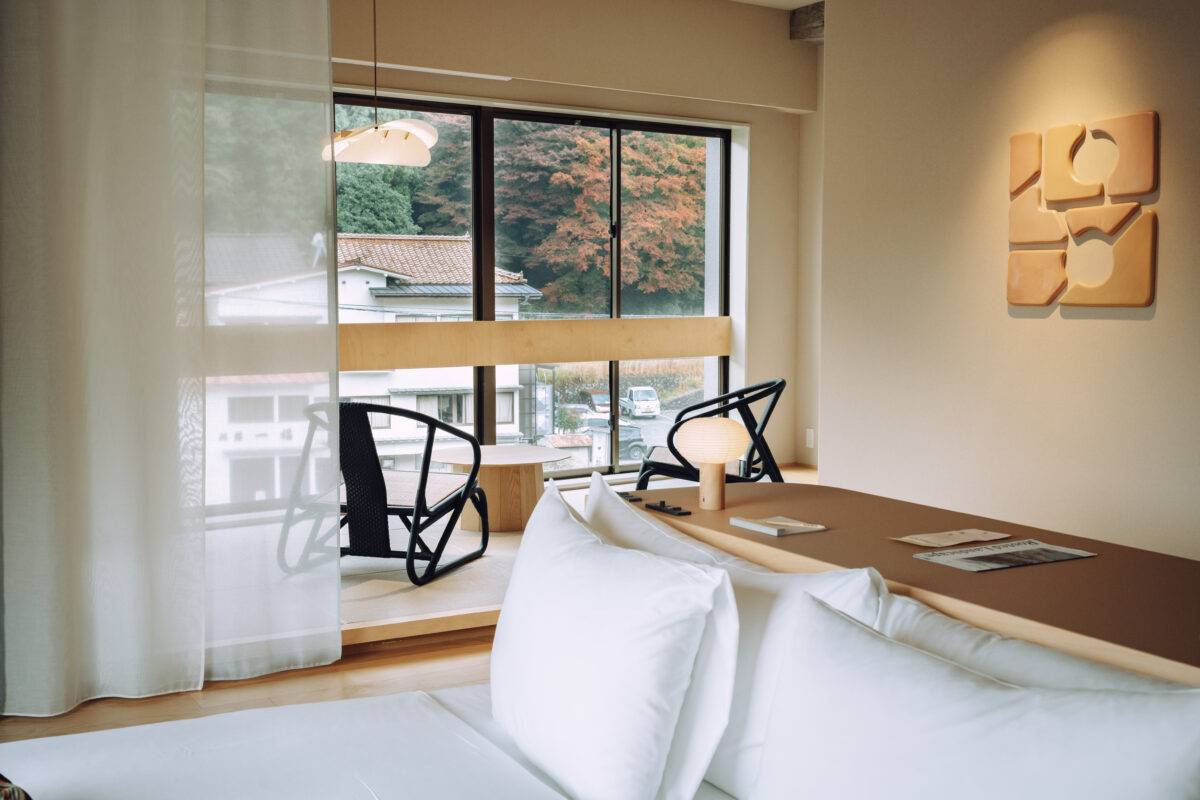
I stayed at Soil Nagatoyumoto, a multi-purpose facility reborn from a beloved hot spring inn which dated back to the Meiji era (1868–1912). Much of the original structure and historical details have been retained, while picture windows have been added to make the most of the riverside views. Traditional washi paper and local wood add light and warmth to the interiors, accented with pottery from the neighboring city of Hagi.
The hotel can arrange various experiences to enhance your visit. I set off to meet artisanal salt maker Yuzen Inoue of Hyakushoan to learn how natural forces shape his time-honored production process.
Yuzen told me how, in 1905, the government established a monopoly to create a domestic commercial market, banning production by smaller private producers until 1997. When these restrictions were finally lifted, salt makers were able to revive traditional methods.
“My encounter with salt-making began when I wanted to use my own hands to create something truly useful for everyday life,” he said.
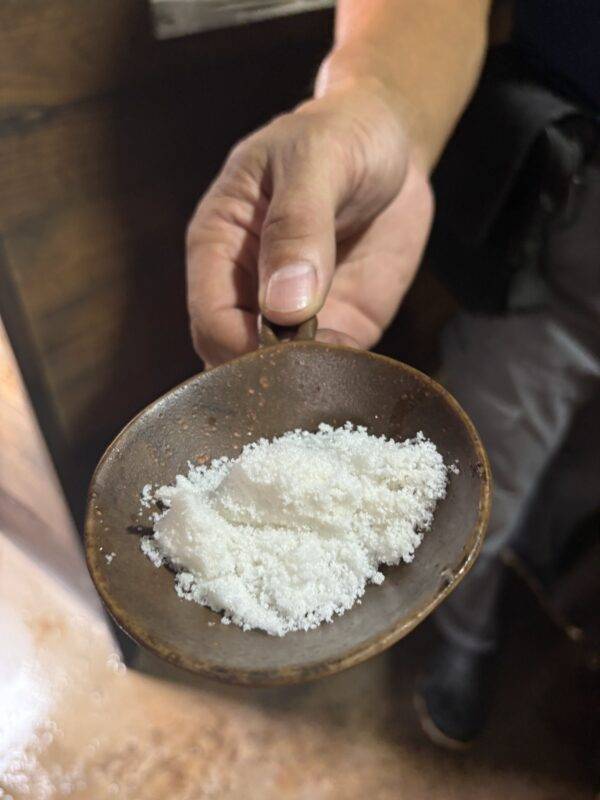
Yuzen chose Yuya Bay in Nagato for his production base. Here, minerals from the forests on the surrounding mountains flow downstream with the rain and mix with the sea in the bay’s brackish waters, giving rise to Hyakushoan’s distinctive salt.
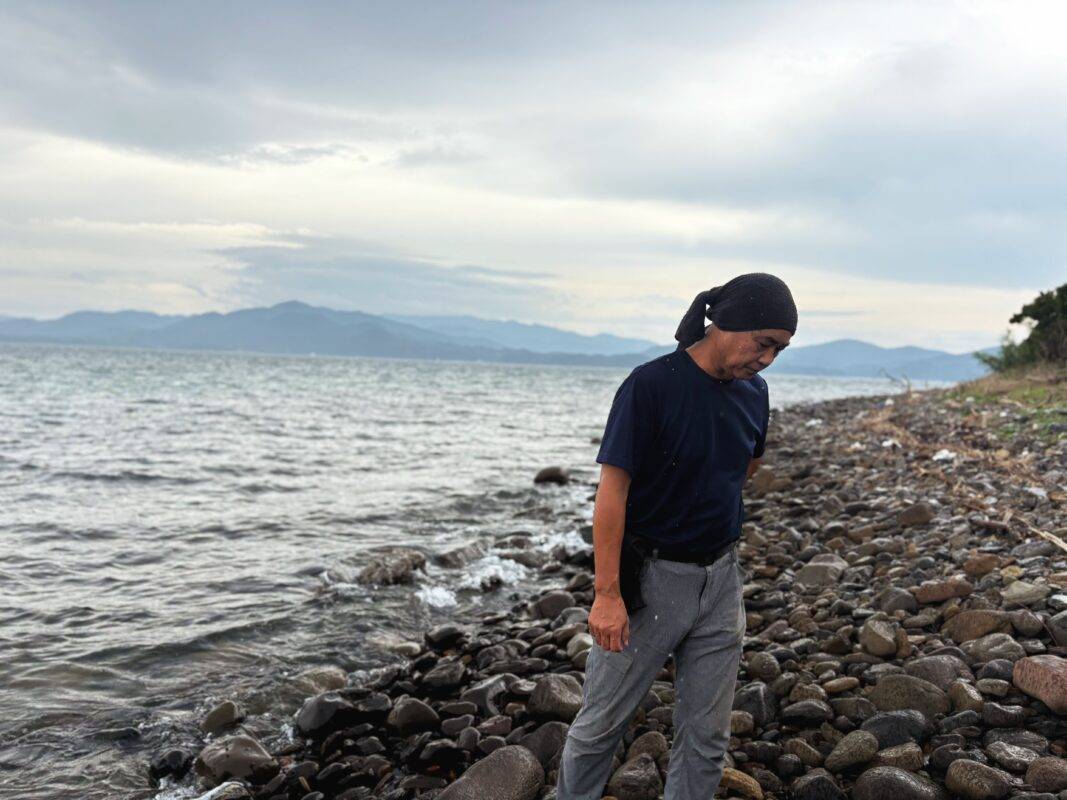
He employs a production technique known as the “three-dimensional” method. Pumped seawater runs over an intricate hand-crafted bamboo structure, where it evaporates gradually. The concentrated brine is then collected, boiled until it crystallizes and dried.
“Because the flavor changes with the seasons, the weather and the condition of the mountains, each batch truly becomes ‘salt of the day,’” Yuzen explained. “You can taste how the mountains, rivers and sea are connected!”
As I sampled a range of salts, I understood what he meant. Soil’s in-house Italian restaurant, Taru, is one of the places making use of this bounty from the sea.
My next stop was Takehara to meet tour guide Junko Mills. This port city is known for its well-preserved historical district, where salt and sake producers once prospered. Originally from Osaka, Junko moved here with her American husband for his job and has grown deeply attached to Takehara.
Believing that meeting locals is one of the best ways to understand a place, she has curated a folkdance performance and lesson as one of the experiences she offers to guests.
Junko introduced me to two charming senior members of the folk dancing troupe and we watched their performance based on the long-established Takehara Yassasa Dance. The dance traces its origins to jubilant celebrations surrounding the 16th-century arrival of the revered Koma Bell. (This ancient copper bell, made in Korea in 963, is now located nearby at Shorenji Temple.)
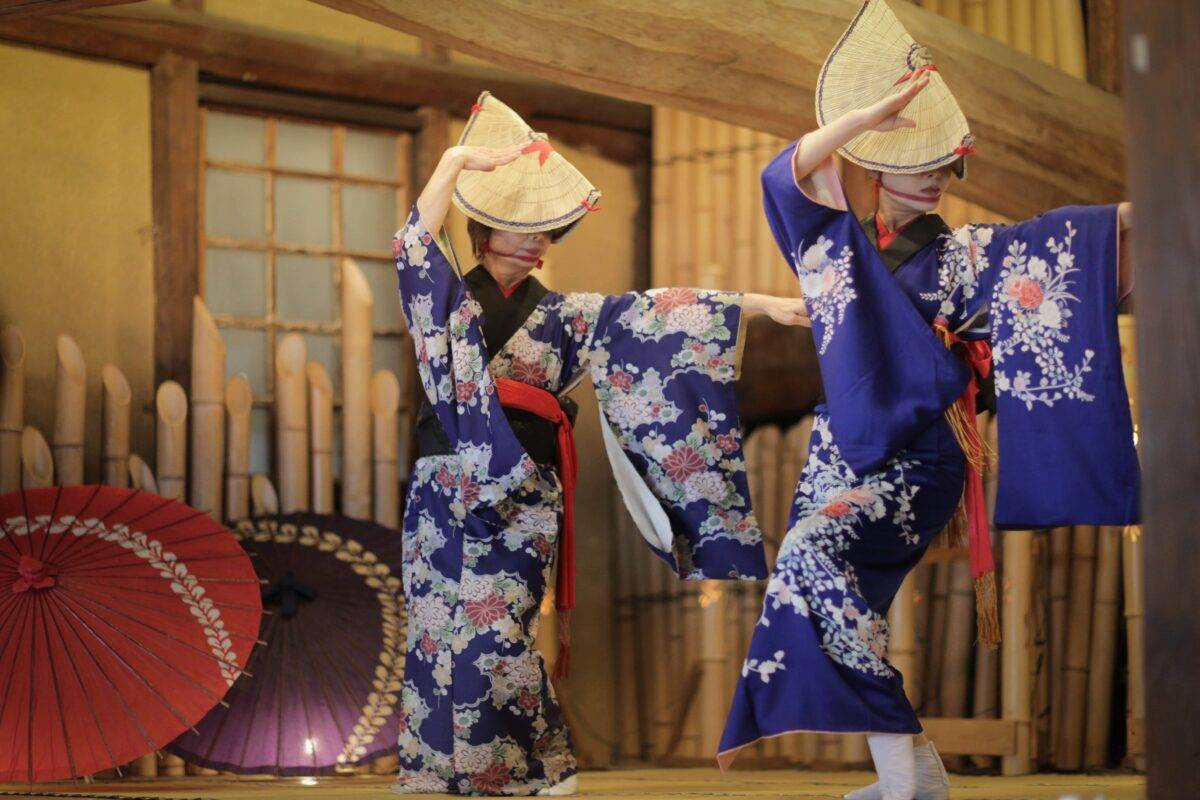
The current version of the dance features music and choreography specially created for Takehara. Dressed in straw hats and vintage kimono, the dancers cheerfully called out yassasa (“let’s do it!”) at intervals. The steps are simple at heart, yet the hand movements are elegant and precise. “One gesture comes from the original meaning of yassasa—raising your hands in joy,” Junko said.
Junko is, in fact, a dancer herself. She joined the troupe about ten years ago after being captivated by a performance. With many elderly dancers retiring during the pandemic, she was determined to help pass on the tradition. Performing for international visitors is now a valuable part of that effort. “Having an audience allows us to keep the dance alive,” she noted. “We hope guests enjoy it, yet also understand that by joining in, they’re helping preserve a cultural tradition.”
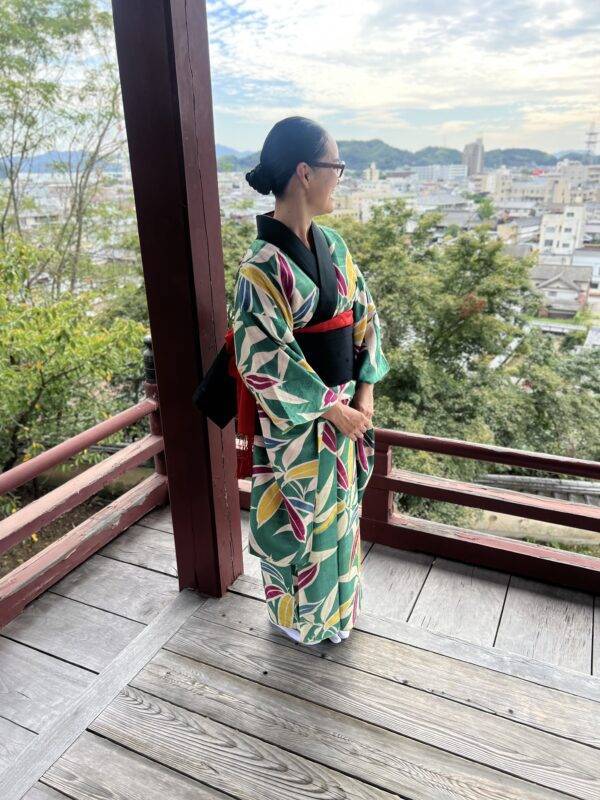
After a lesson and photos with the dancers, we strolled through Takehara’s atmospheric town center before climbing the stone steps up to another temple, picturesque Saihoji. The temple’s Fumeikaku (Kannon Hall) has an unusual viewing platform, offering sweeping views of the city.
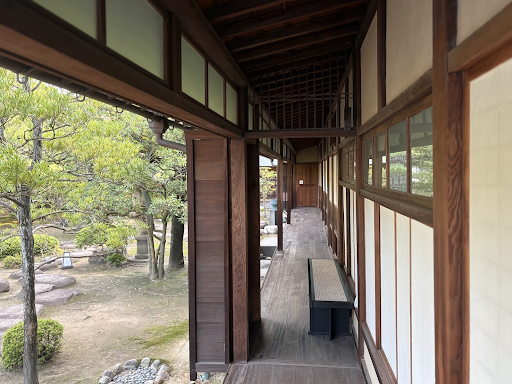
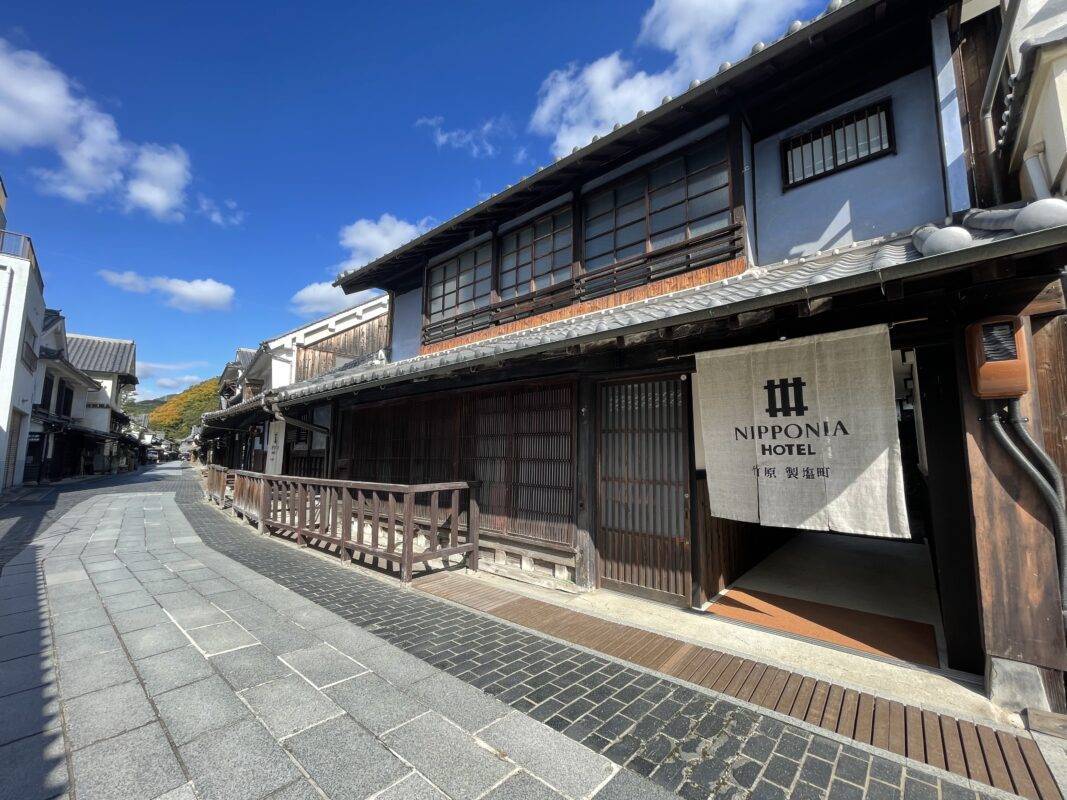
If you want to extend your time in Takehara, the Nipponia Hotel offers accommodation in beautifully restored buildings, maintaining the historic atmosphere while providing modern comfort for today’s travelers.

My Setouchi journey ended on the island of Omishima in Ehime Prefecture. Omishima is part of the world-class Shimanami Kaido cycling route, which crosses the Seto Inland Sea from Onomichi (Hiroshima) to Imabari (Ehime) via six islands and seven dynamic bridges.
While completing the route in a single day is possible, it doesn’t allow for a relaxed trip and can be physically challenging for less experienced cyclists. Since it isn’t just the destination but the journey, breaking the route halfway is an appealing option and, at roughly the midpoint, Wakka on Omishima is the perfect place to pause. Operating as a hotel, café and cycling support center, it is well set up for riders taking a slower pace.
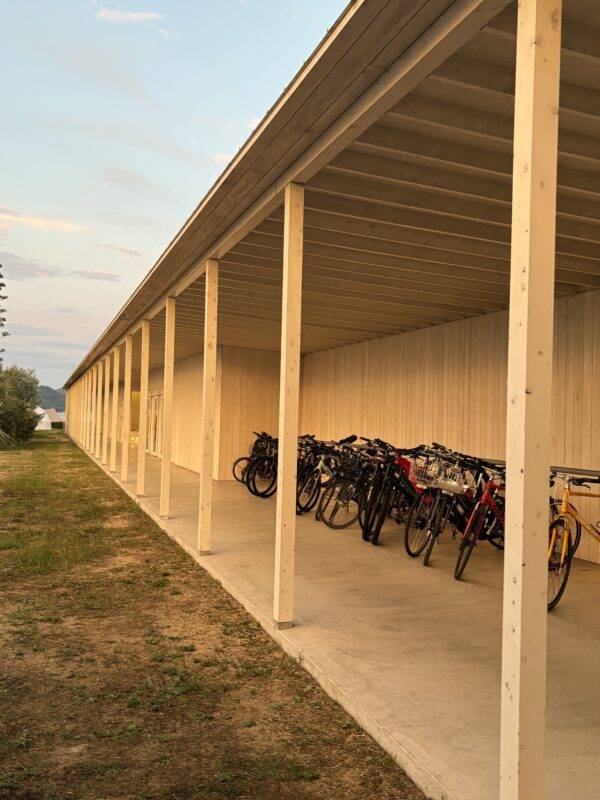
“We often see beginners pushing themselves to complete the route in one day—cycling through stunning scenery while out of breath, heads down and not really seeing anything,” says founder Arashi Murakami, who leads the team at Wakka alongside his wife.
He suggests planning a two-day itinerary of around 35 km a day, which enables riders to slow down and fully appreciate the island route. “You can experience far more of what the area has to offer, making it a much richer and more memorable trip,” he says.
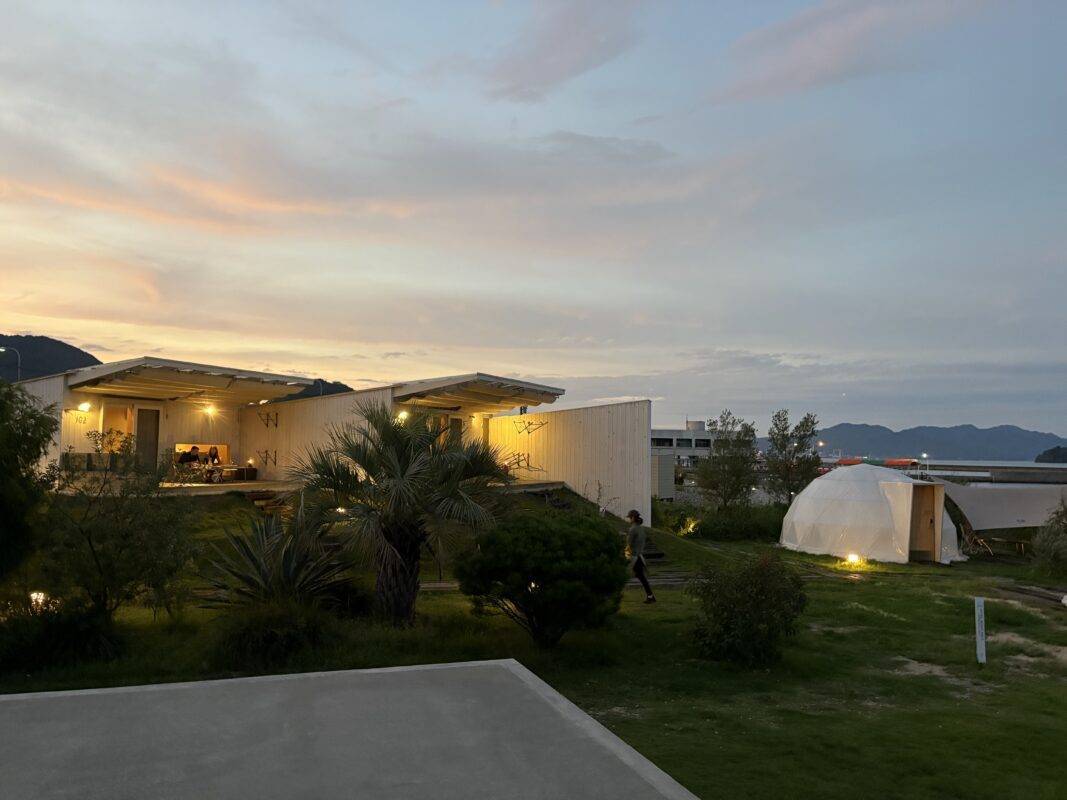
Wakka’s accommodation options include cottages, dome tents and bunk rooms to suit a variety of budgets and needs. I stayed in one of the stylish, spacious cottages. After watching a gorgeous Setouchi sunset during a barbecue with local ingredients on the private terrace, I drifted into a restful sleep after a day in the fresh sea air.
The following morning, Inspired by the superb views of the Tatara Strait and the Tatara Ohashi Bridge, I laced up my sneakers and went for a brisk run before tucking into a delicious breakfast with homemade bread at the on-site café (also open to visitors at lunchtime).
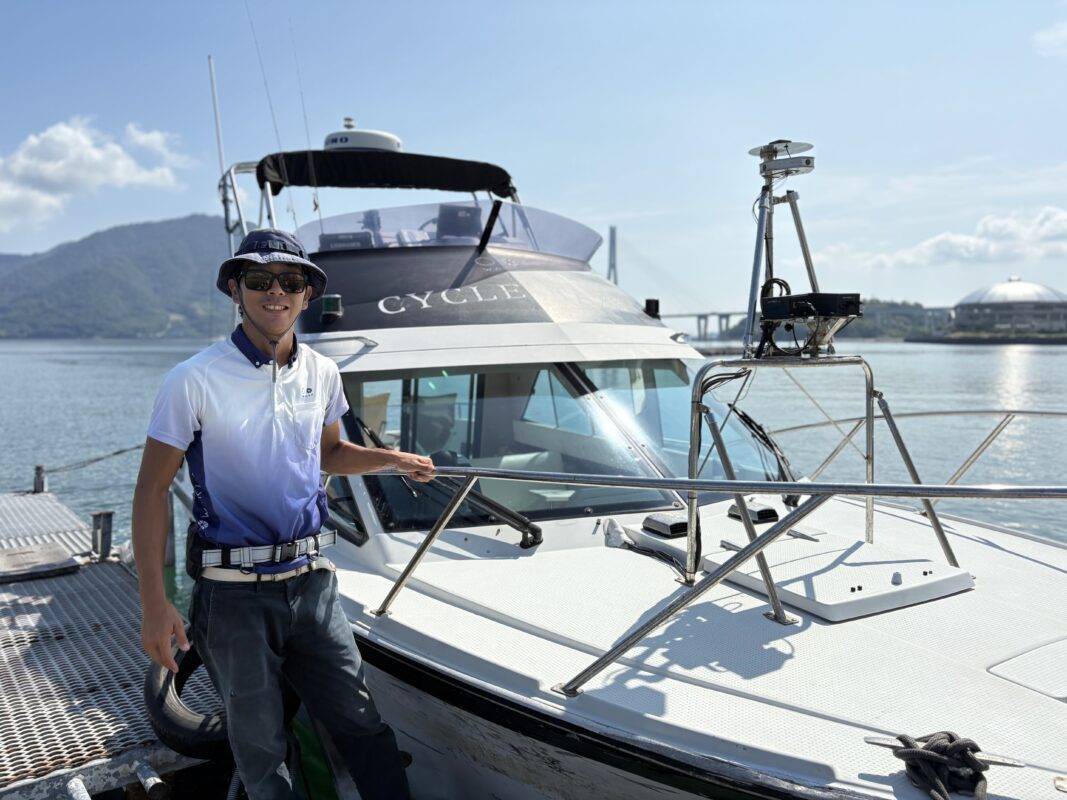
Along with full support services for cyclists, Wakka can arrange a host of activities to help visitors enjoy their time on Omishima, such as fishing, SUP, craft lessons and gastronomy workshops. Other local attractions include the stately Oyamazumi Shrine, which includes a museum with one of the country’s best collections of samurai armor, and the nearby Omishima Art Museum, known for its contemporary Japanese paintings.
This journey offers a taste of the varied landscapes and experiences that make Setouchi so rewarding for travelers. It is just a starting point for discovering the many faces of this nature-rich region.