View of Ishikawa’s Satoumi from a Local Train Window

Fumiko Yoshida
15 / 08 / 2023
6 min Read
Golden multi-armed Buddhist deity statue in meditation pose with ornate decorations and symbolic objects, displayed against an intricate dark patterned backdrop with suspended ornamental disc above.

“This was such a wonderful place, and meeting the local people made it truly a great journey!”

For us, it is genuinely delightful to hear our customers say that. At the same time, when local residents tell us “Please come again! Next time, take your time and relax even more” it inspires us to provide our customers with longer and more leisurely journeys.

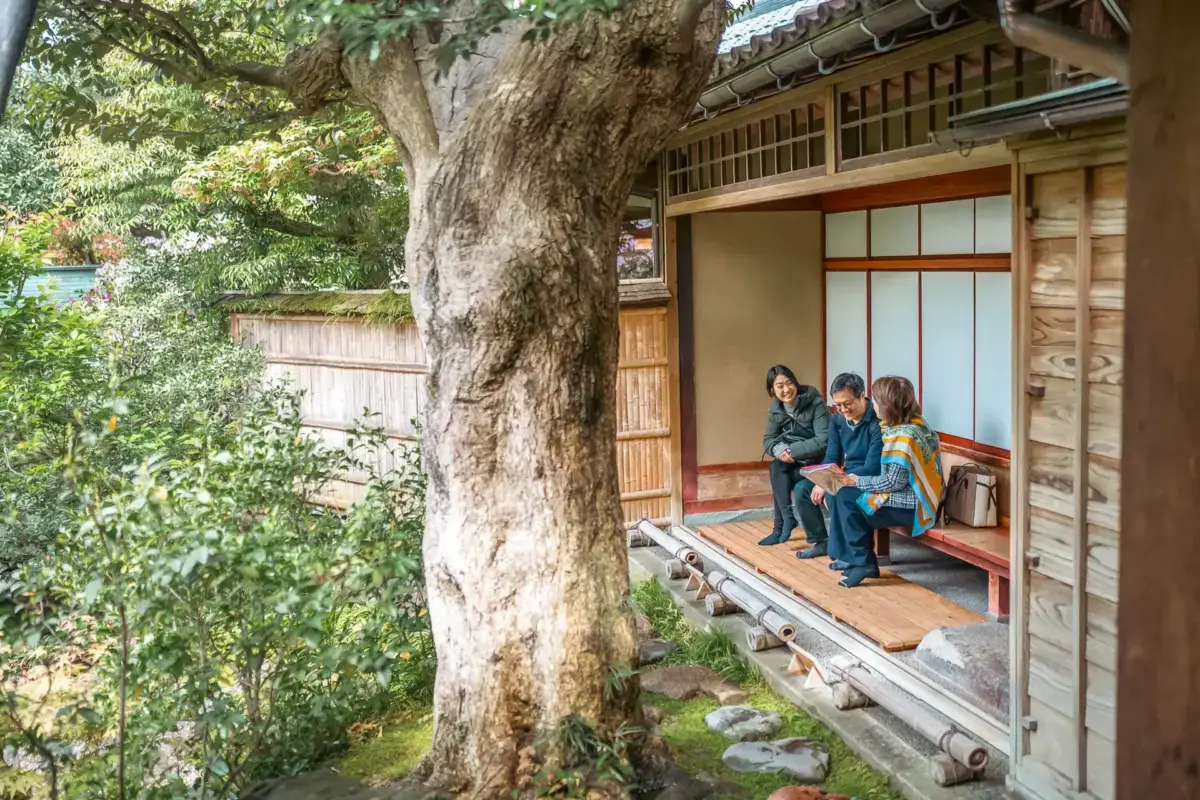
Three people sitting on the engawa porch of a traditional Japanese house with shoji screens, beside a large tree in a lush garden.
Benjamin and Fumiko, listening to insights from a local guide

Touring famous tourist destinations is great, but our goal is to design and deliver journeys that go beyond that—journeys that allow our customers to encounter local people and experience deep and meaningful places. To achieve this, we make sure to visit the regions as much as possible, meet with local residents, listen to their stories, and even immerse ourselves in the experiences they offer.

This time, we visited Ishikawa Prefecture in the Hokuriku region and would like to share the wonderful aspects and thoughts we had during our trip.

Ishikawa Prefecture: Diverse Expressions in Different Regions

Located in the Hokuriku region, Ishikawa Prefecture stretches from north to south with Kanazawa City at its center. Kanazawa City is known for its historical streets that preserve the atmosphere of a castle town from the Kaga Domain, such as Kenrokuen Garden, Kanazawa Castle, and Higashi Chaya District, making it a popular destination for tourists. To the south lies the Hakusan region, home to three famous mountains of Japan. To the north, there is the Noto region, known for its scenic coastal landscapes and famous lacquerware from Wajima. Each region within the same prefecture boasts distinct geographical and cultural features, making it a remarkably unique area to explore.

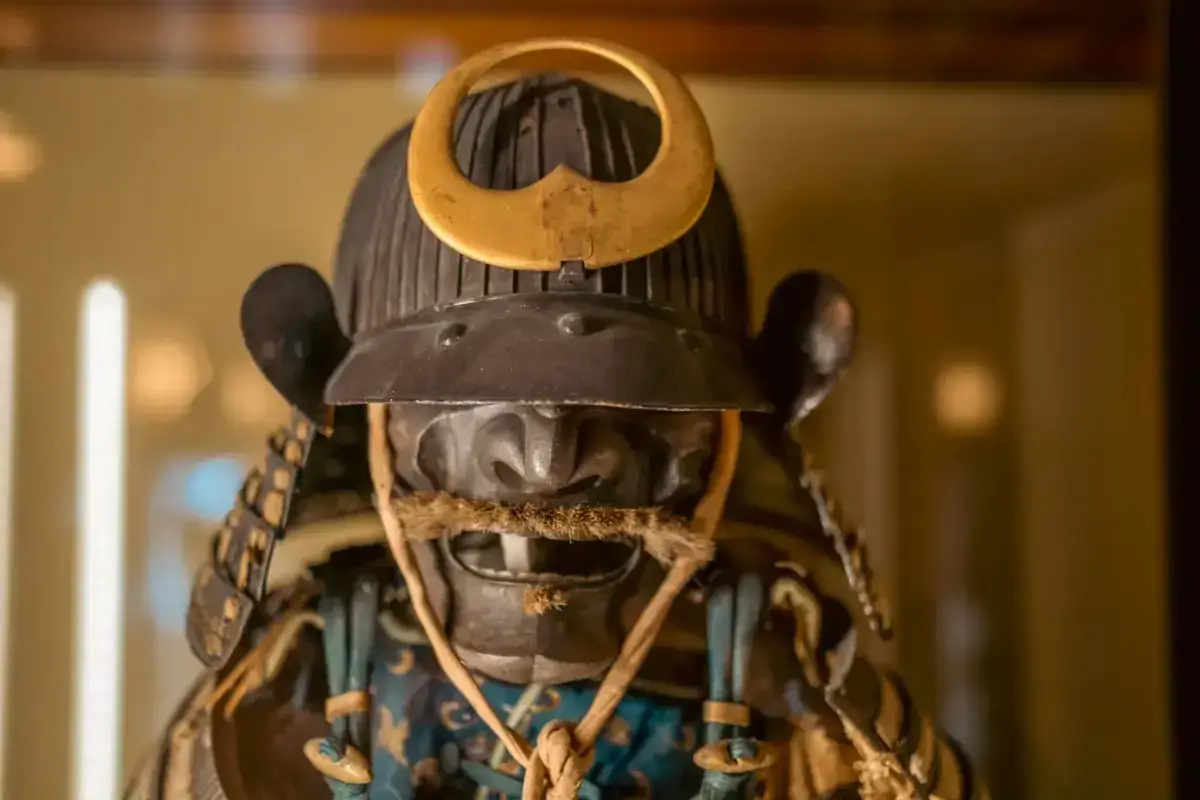
Close-up of a traditional Japanese samurai helmet and armor display featuring a black iron helmet with distinctive crescent-shaped ornament and face mask, with blue and gold-toned chest armor visible below.
Samurai armor possibly worn by Nomura Clan head in Kanazawa

Facing the Sea of Japan, Ishikawa Prefecture naturally offers delectable seafood. Sushi, seafood bowls, and other rare fish dishes using locally sourced ingredients are among the major attractions.

Living Culture in the Satoyama and Satoumi of Noto Region

We started our visit in the Noto region, where we were greeted by Mr. Koyama and Mr. Hirata from Noto DMC at the airport.

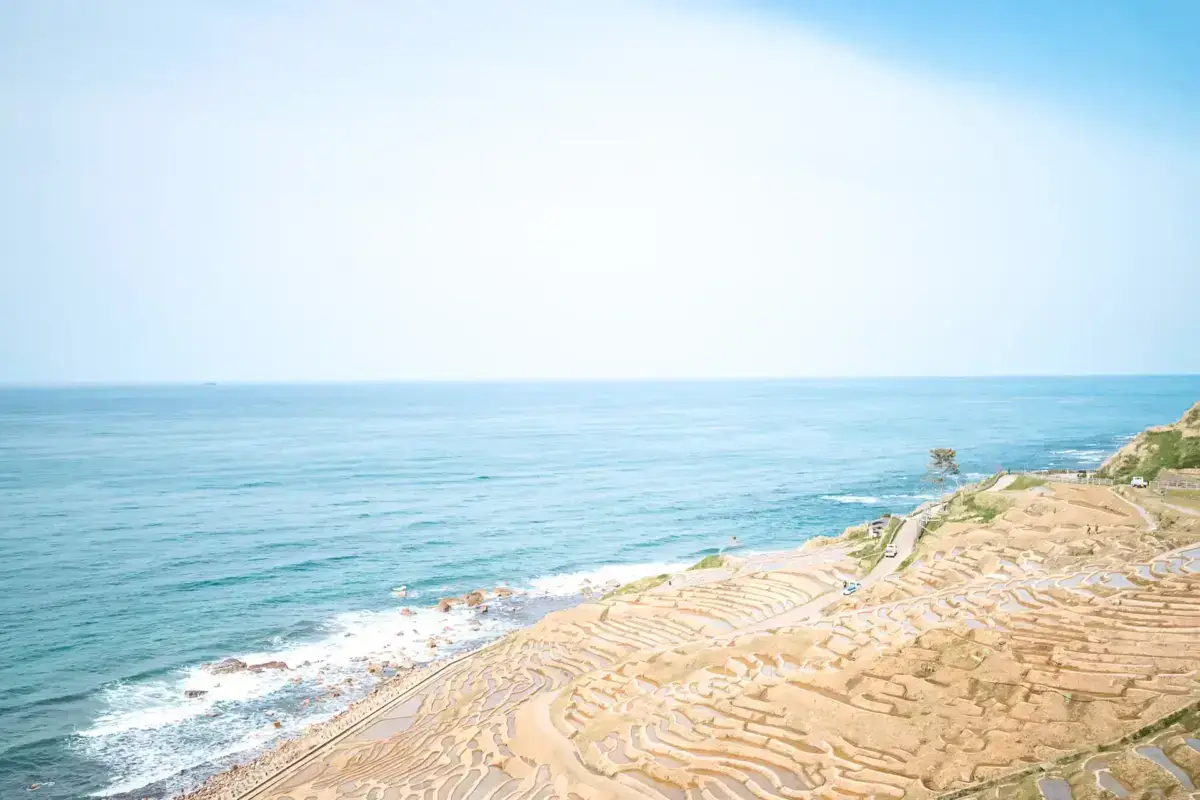
Terraced rice paddies cascading down a coastal hillside in Ishikawa's Satoumi region, with turquoise ocean waters and a winding coastal road visible from a train window perspective.
Shiroyone Senmaida Rice Terraces

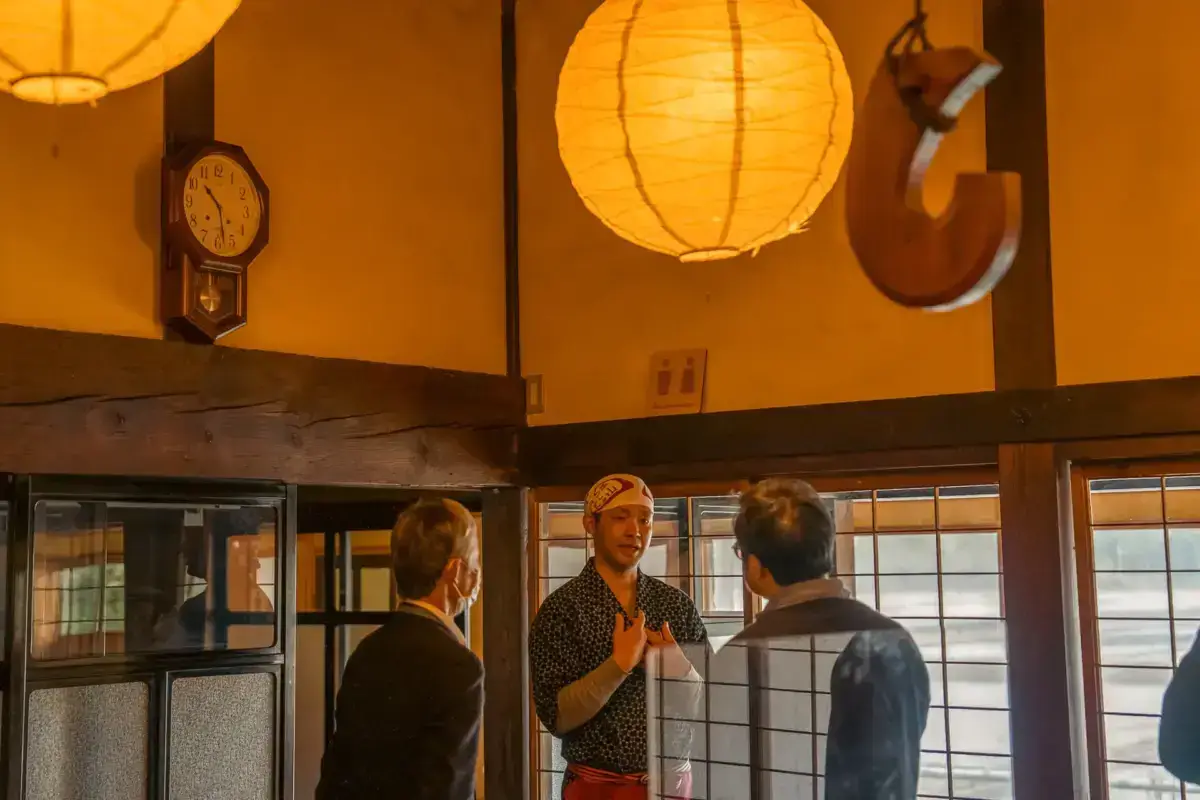
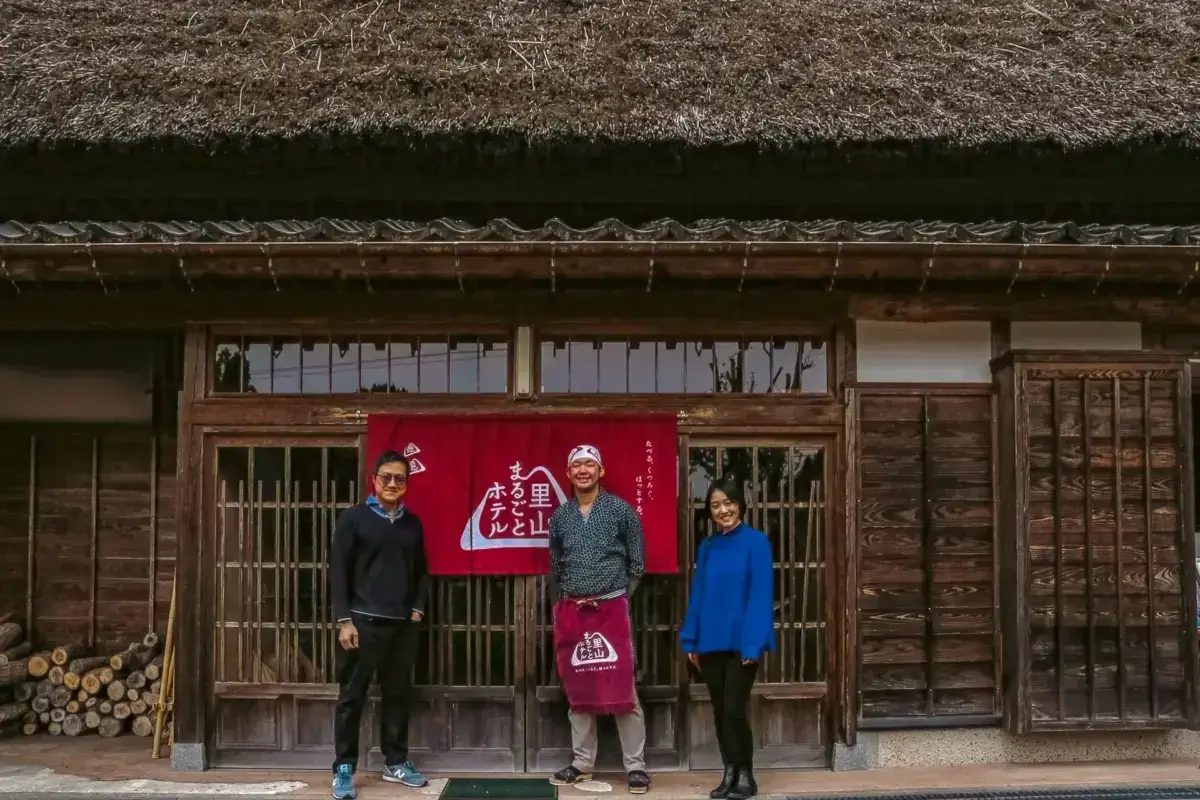
Our first stop was a traditional thatched roof house called “Kayabuki An”, which serves as a unique hotel experience where visitors can immerse themselves in the lifestyle of Noto. The entire community comes together to run the “Satoyama Hotel”, providing visitors with opportunities to experience traditional agricultural practices, enjoy meals at the thatched roof house, and even try their hand at thatching. The representative of the hotel, Mr. Yamamoto, was a person who came to Noto from Tokyo. He fell in love with the rural scenery and lifestyle of Noto and decided to move here. He now offers travelers the chance to experience the traditional way of life, and local grandparents warmly welcome guests at the thatched roof house, sharing the charms of Noto with them. It was heartwarming to feel the warmth of the people in this place so close to the airport.

Three people conversing in a traditional Japanese interior with warm paper lanterns, exposed wooden beams, a vintage wall clock, and shoji screen doors illuminated by natural light.
Mr. Yamamoto, the representative of Satoyama Hotel, speaking about the charms of Noto

The representative of the hotel, Mr. Yamamoto, was a person who came to Noto from Tokyo. He fell in love with the rural scenery and lifestyle of Noto and decided to move here. He now offers travelers the chance to experience the traditional way of life, and local grandparents warmly welcome guests at the thatched roof house, sharing the charms of Noto with them. It was heartwarming to feel the warmth of the people in this place so close to the airport.

Three people standing in front of a traditional Japanese thatched-roof house with weathered wooden facade, with the center person holding a red banner with Japanese calligraphy and a pink tote bag.
Mr. Yamamoto, Benjamin, and Fumiko in front of Satoyama Hotel

After visiting the famous Wajima morning market, we then headed to the residence of Mr. Zenko, a skilled craftsman in Wajima lacquerware.

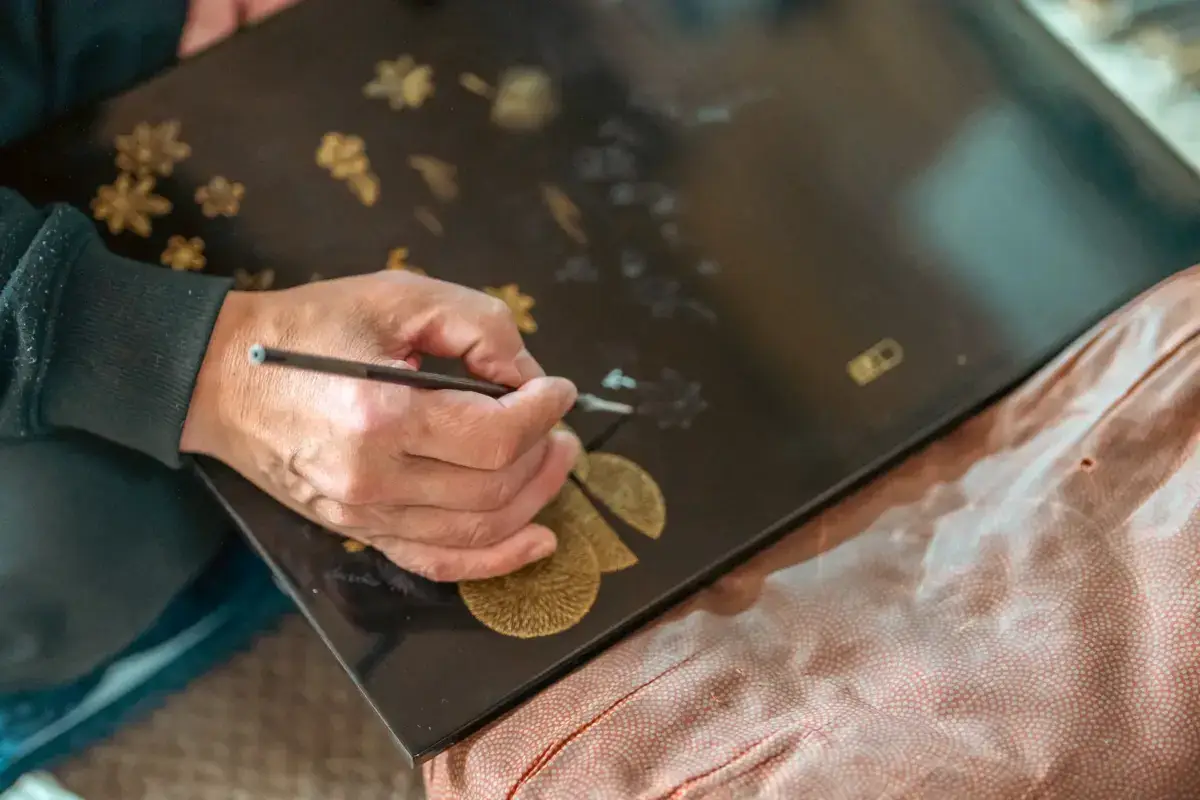
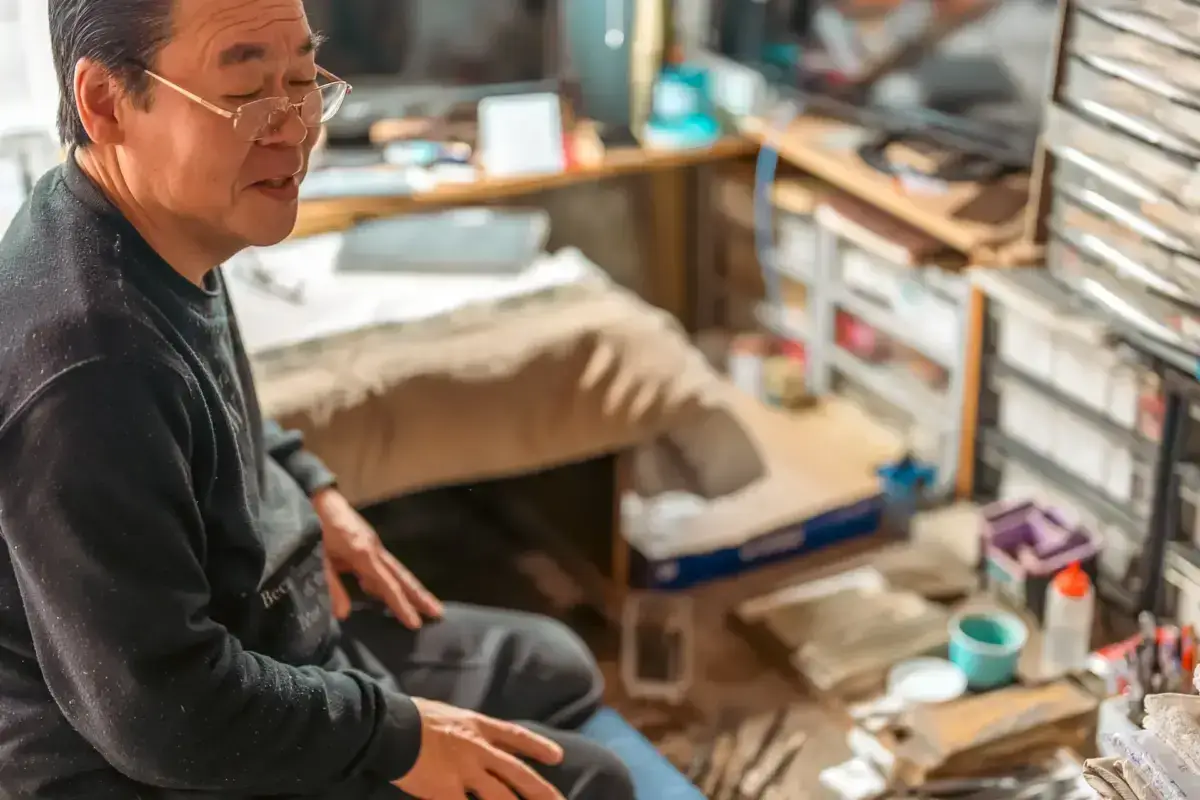
Wajima lacquerware involves carving patterns into the surface of lacquerware with special chisels called “chinkin” or sunken gold, filling the grooves with lacquer, and embedding gold or silver powder to create intricate designs. Mr. Zenko, who single-handedly manages the entire process from designing the patterns to maintaining the tools, continues to express beautiful designs on Wajima lacquerware with his thick, experienced hands.

Artisan's hands carefully painting delicate gold floral motifs onto a black lacquerware tray, with a pink decorative fabric visible underneath.
Mr. Zenko has continuously expressed beautiful designs on Wajima lacquerware

“I want to offer authentic experiences to visitors, not just tailored for tourists” 

Mr. Zenko says.

This encounter with him was precious for us, as it aligned with our mission to deliver local culture experiences that the region wants to share with our customers.

Japanese artisan wearing glasses working at a wooden desk in a traditional craft workshop surrounded by tools and materials
Mr. Zenko has continuously expressed beautiful designs on Wajima lacquerware

The Samurai Culture in Kanazawa City

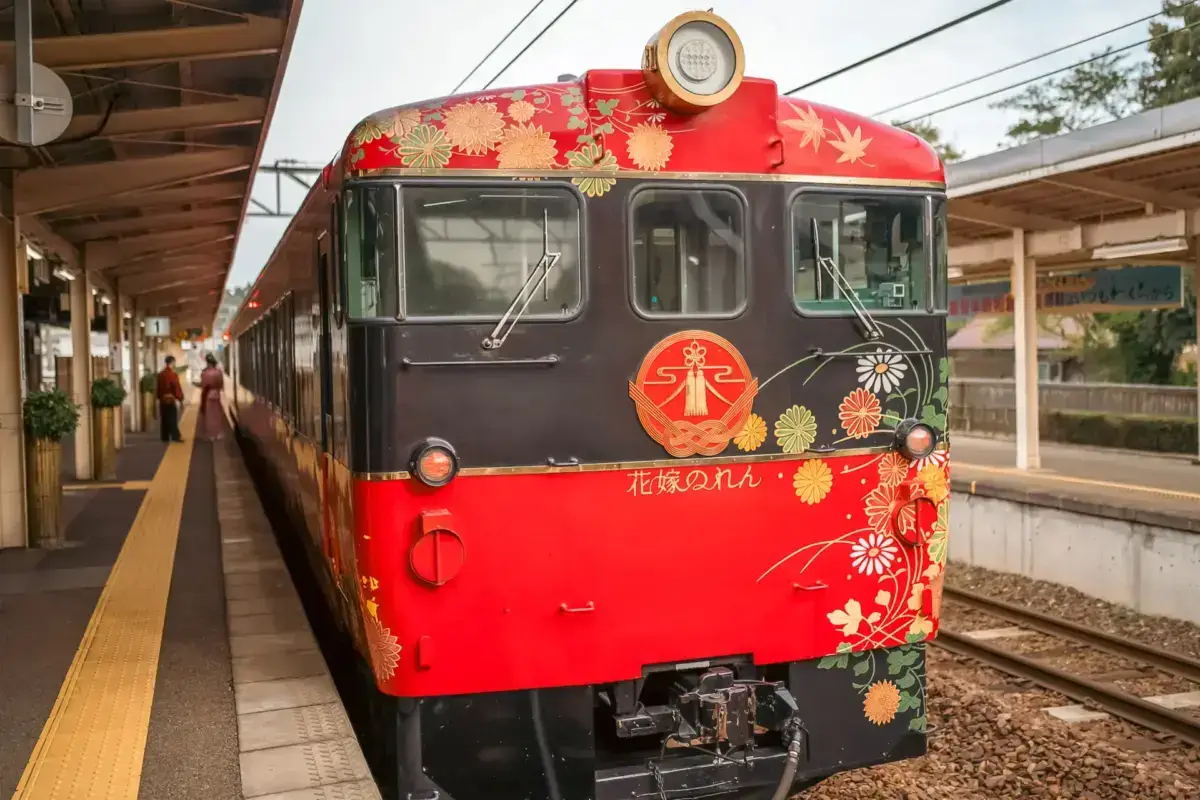
After enjoying the scenic views from the local train since our departure in Wakura Onsen, we arrived at Kanazawa Station.

Brightly decorated Japanese sightseeing train with red exterior and gold floral patterns stationed at a platform in Ishikawa, featuring traditional chrysanthemum and maple leaf designs.
Local Railway Connecting Wajima Onsen and Kanazawa

The Kanazawa City Tourism Policy Division staff warmly welcomed us and introduced us to some of the people and places they wanted to showcase in Kanazawa.

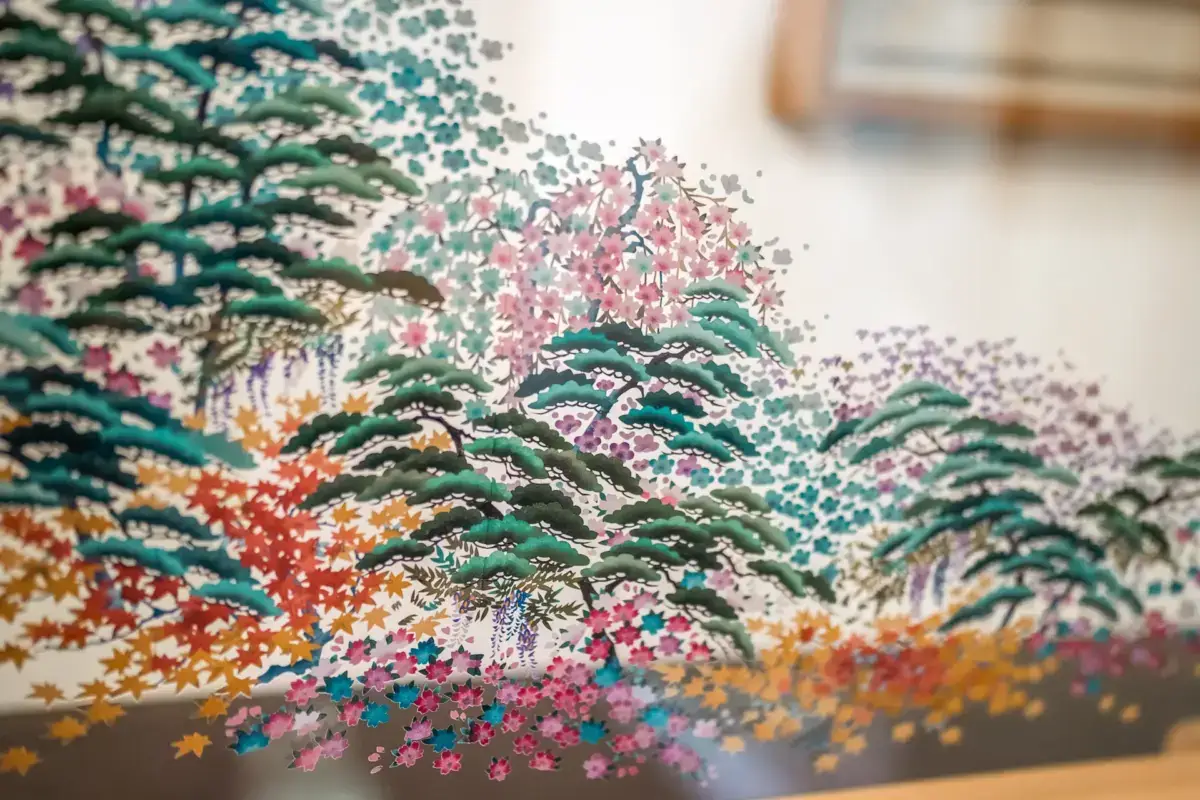
One of the places we visited was “Maida Somega Kougei,” where Kaga Yuzen textile dyeing is practiced. Kaga Yuzen, with its 500-year history, features paintings of plants and flowers, and its meticulous dyeing technique is truly captivating.

Traditional Japanese art depicting pine trees with colorful seasonal flowers including pink cherry blossoms, orange maple leaves, and purple blooms, painted in a delicate pointillist style on what appears to be decorative paper or screen.
Kaga Yuzen Artistry Expressed on Acrylic Panel

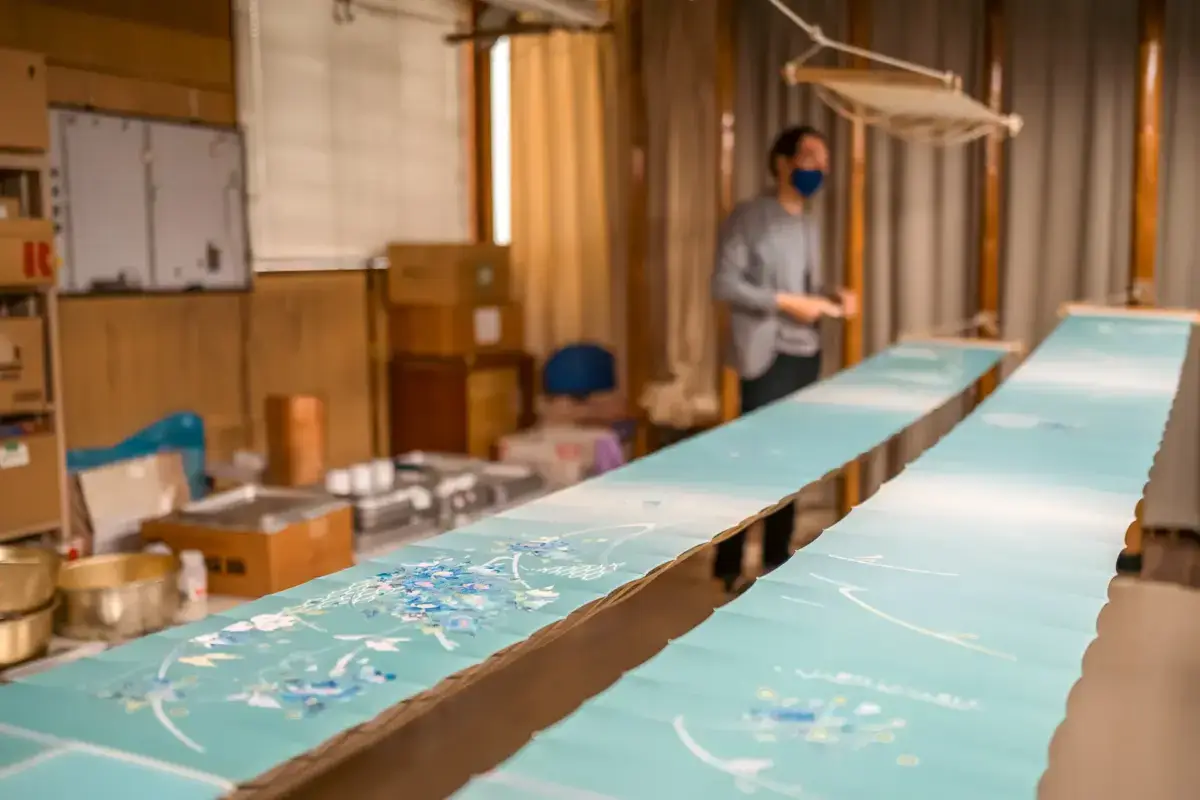
At Maedasome-ga Kougei, they perform all the approximately 15 steps required to complete Kaga Yuzen, allowing the artist’s design to be fully expressed.

The third-generation of craftsman, Mr. Maida, shared how they preserve traditional techniques while innovatively creating to meet contemporary needs. In the face of the shrinking kimono market, various challenges are being taken on to connect Kaga Yuzen to the next generation and ensure its continuity into the future.

Artist in workshop painting turquoise panels with delicate white and blue floral patterns, traditional Japanese craftsmanship in progress.
Mr. Maida, guiding us through the various processes of Kaga Yuzen

When we think of samurai culture, images of warriors and swords often come to mind.

However, not many people have had the opportunity to see and touch authentic Japanese swords that have been passed down through the ages.

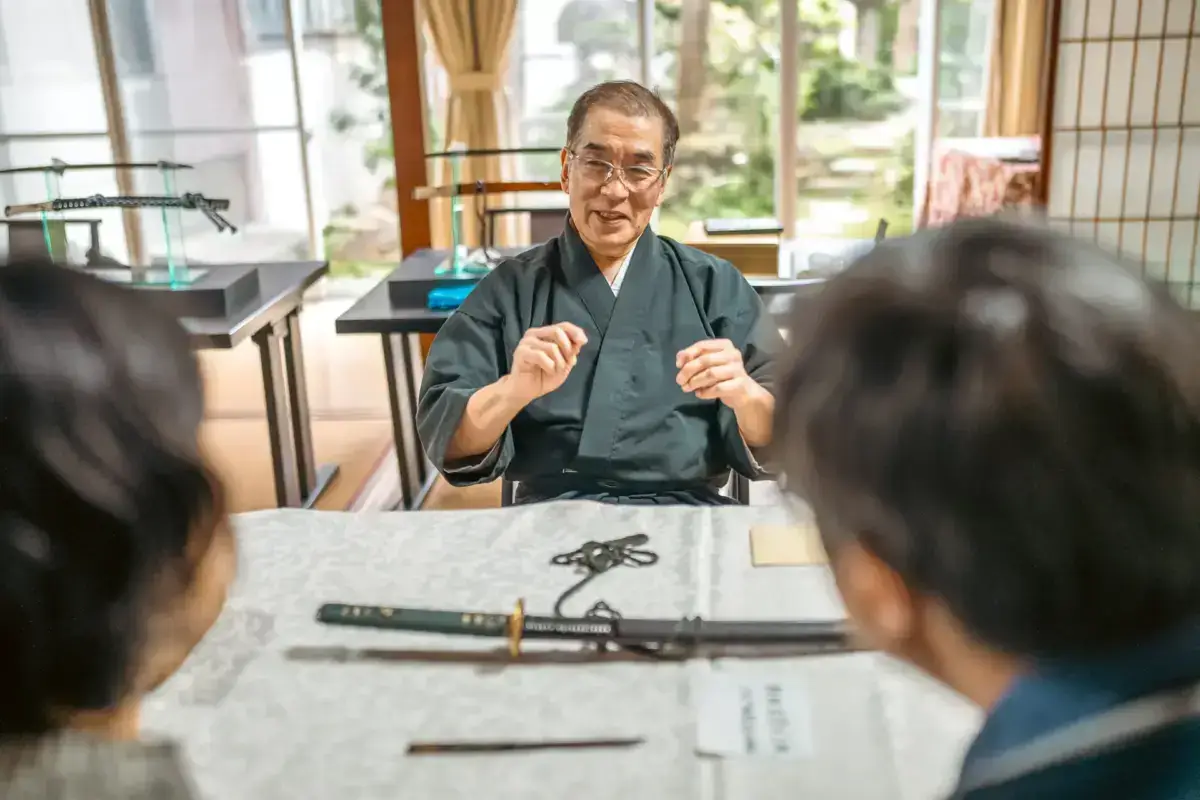
During our visit, we had the privilege of meeting Mr. Shijimaya Masahisa, who descends from a samurai family and carries on the samurai culture to this day. We were deeply moved by the beauty of the authentic Japanese swords that we could observe up close.

Elderly Japanese craftsman in traditional dark kimono speaking to visitors across a table displaying decorative swords and traditional metalwork in a bright, traditional Japanese room with shoji screens and garden views.
Mr. Shijimaya, speaking about samurai culture in front of the authentic, traditional Japanese sword that has been passed down through the ages

Mr. Shijimaya shared with us how Japanese swords and samurai culture continue to live today.

“Shinogi wo kezuru” or “fight desperately” – literally means “scrape the ridge of a sword”.

“Seppa tsumaru” or “under the gun” – “Seppa” refers to thin oval-shaped metal pieces placed on both sides of Japanese sword guards. When these seppa get jammed (tsumaru), you won’t be able to draw the sword. If you find yourself in a tight spot and unable to unsheathe the sword due to seppa-tsumaru, it becomes impossible to escape or engage in combat.

These are expressions that originated from the creation of swords. It’s fascinating that these phrases, which we still commonly use today, have such origins.

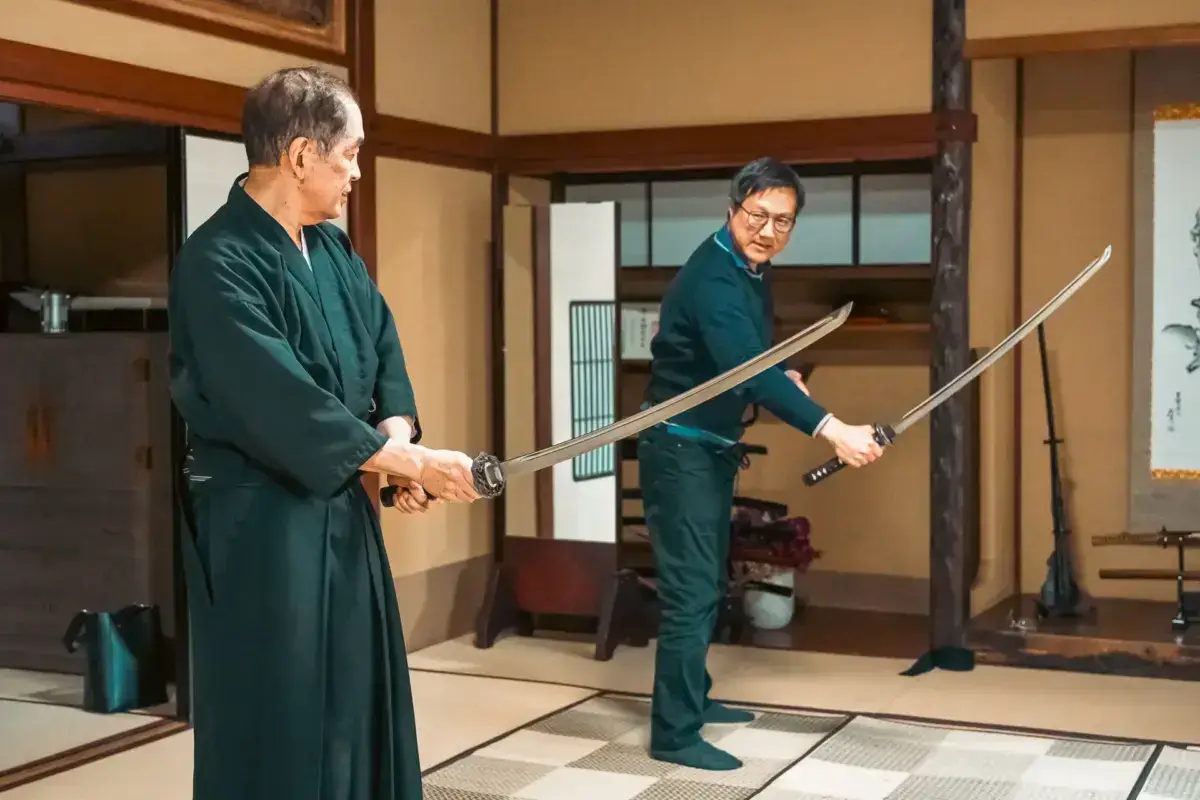
Two practitioners in traditional Japanese clothing demonstrate samurai sword techniques in a traditional tatami room with shoji screens.
Benjamin learning the craft of authentic sword handling from Mr. Shijimaya

Finally, we had the experience of drawing the sword using a real sword. As we wielded the weight of the authentic sword, we unified our minds like samurais, savoring the essence of the warrior culture.

Mountain Worship and Buddhist Culture in Hakusan Region

Hakusan is one of Japan’s three famous mountains, alongside Mount Fuji and Mount Tateyama. It is known as a sacred mountain, and the sight of the sea of clouds from its peak is a mystic spectacle.

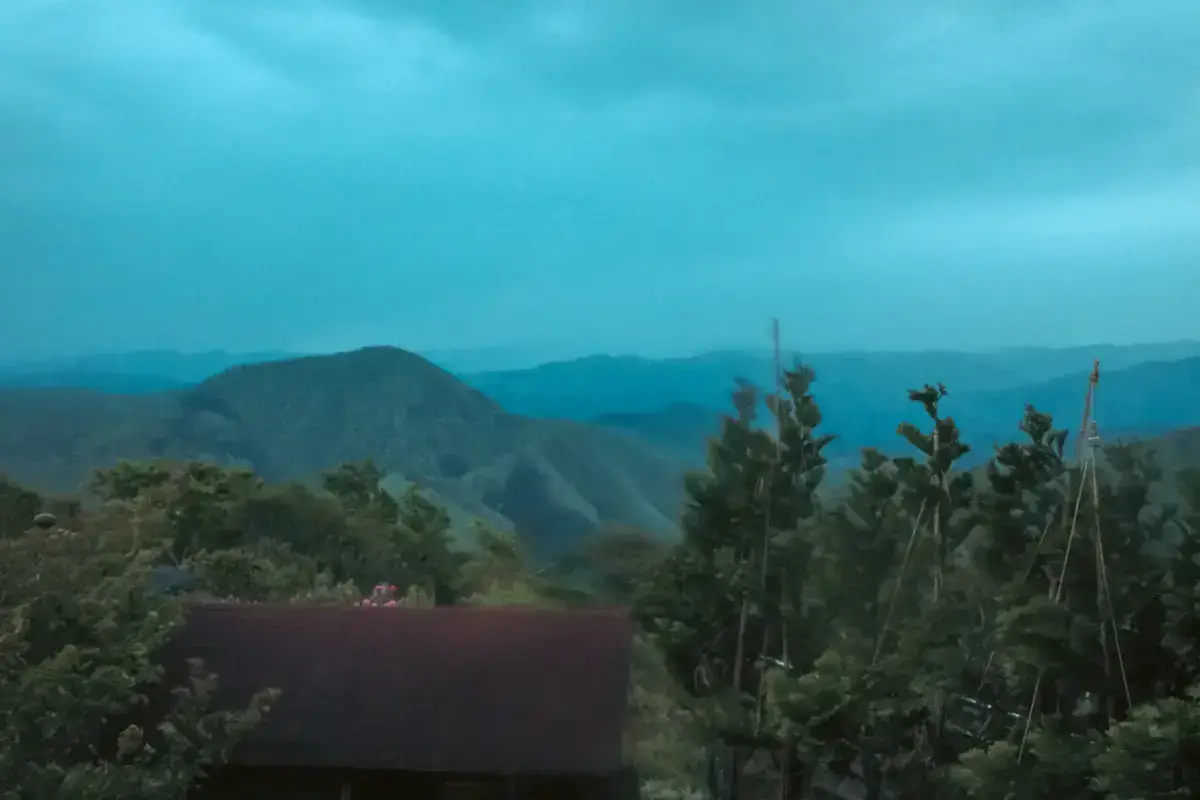
Misty mountain landscape viewed from a train window in Ishikawa, with layered mountain ridges fading into the blue-gray distance, a traditional Japanese farmhouse roof in the foreground, and lush green vegetation.
Mountain peaks as seen from the lodge overlooking Hakusan mountain

After about an hour’s drive from Kaga Onsen Station, we reached the mountaintop where we experienced an unforgettable stay.

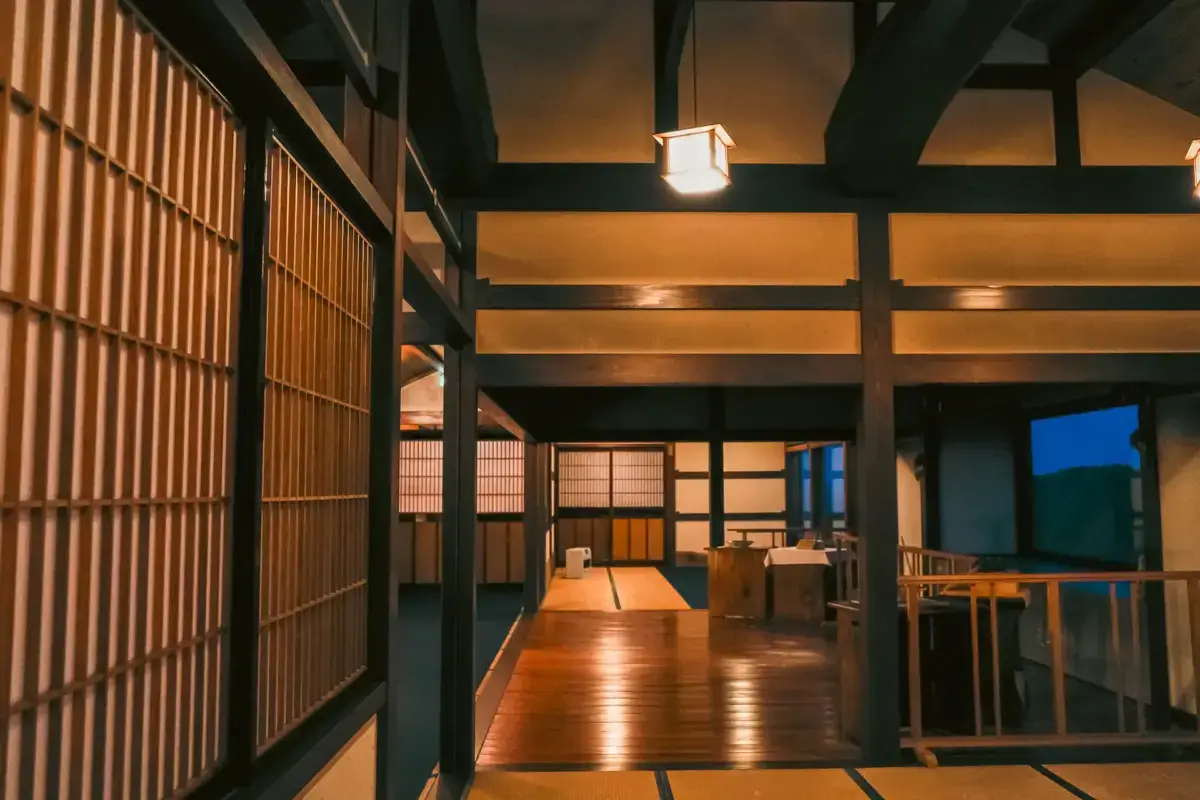
Hakusan Ikumo is a lodge located at the summit of Hakusan mountain that offers a serene escape. In the past, ascetics practiced at a temple here, and that’s how Hakusan Ikumo began.

Traditional Japanese interior with exposed dark wooden beams, latticed shoji screens, warm ambient lighting, and polished wooden floors creating a serene atmospheric space.
Hakusan Ikumo lodge

Here, one can experience a sense of peace while listening to nothing but the sound of the wind, without any nearby lights. It was a truly luxurious experience to have the entire mountain to ourselves, as if it were rented solely for us, allowing us to forget the everyday world completely. This invaluable accommodation experience granted us a sense of inner peace like no other, an experience we never felt elsewhere.

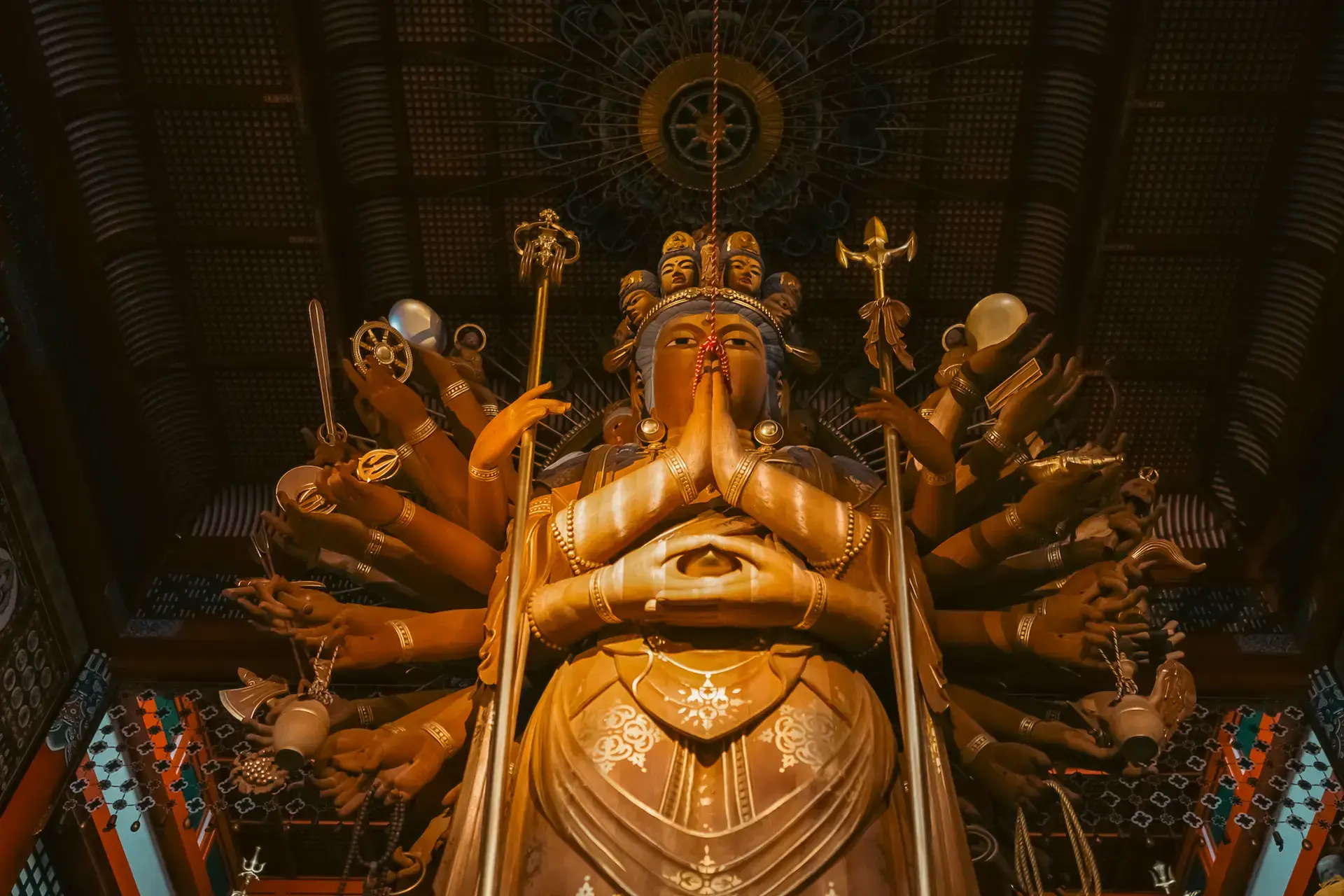
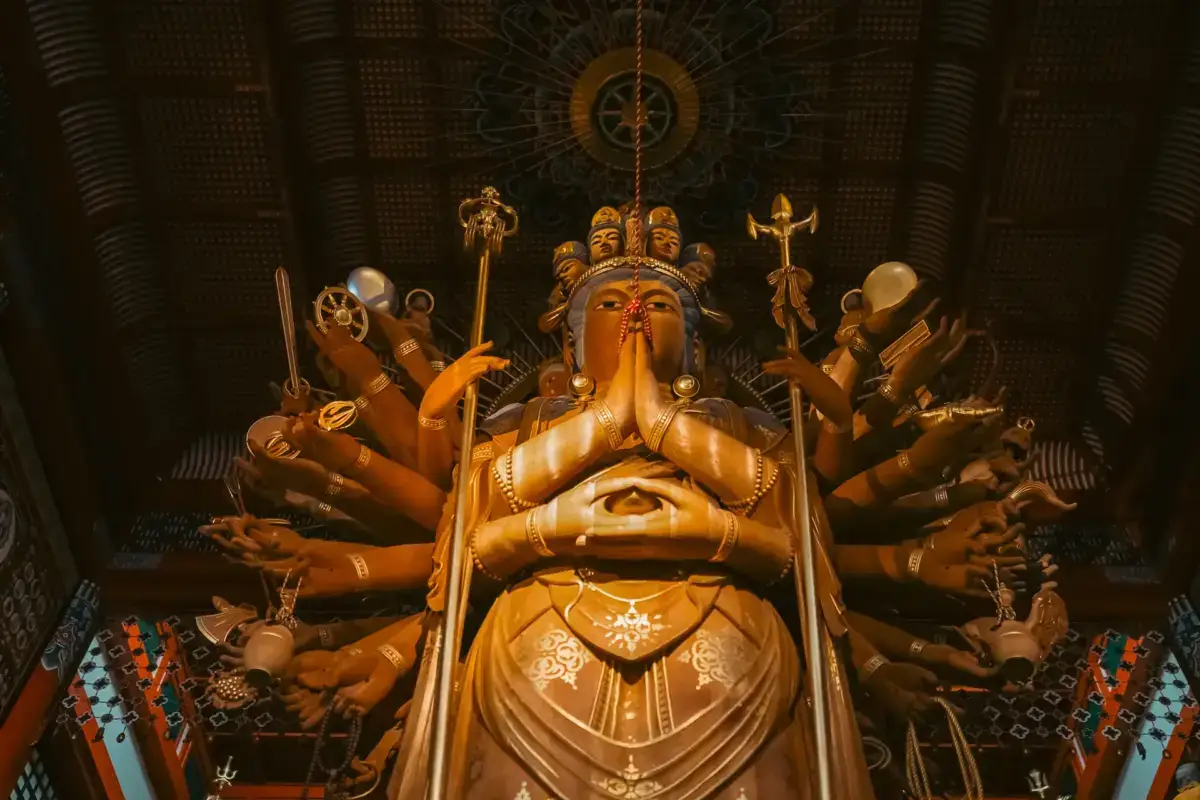
The next day, we received blessings and prayers at Nata Temple, concluding our unforgettable three-day journey.

Golden multi-armed Buddhist deity statue in meditation pose with ornate decorations and symbolic objects, displayed against an intricate dark patterned backdrop with suspended ornamental disc above.
Nata temple

Every encounter during this trip left a profound impact on our hearts

Ishikawa Prefecture has become increasingly popular among travelers in recent years. During this trip, we observed that certain tourist destinations in Kanazawa were crowded to the point where it was difficult to pass through. The revival of tourism after the pandemic has brought back the issue of overtourism in popular tourist spots.

On the other hand, most of the places we visited were peaceful, allowing us to take our time and spend quality moments with the people we met in each region. We enjoyed a leisurely journey, cherishing each encounter and contemplating the landscapes through the eyes of the locals.

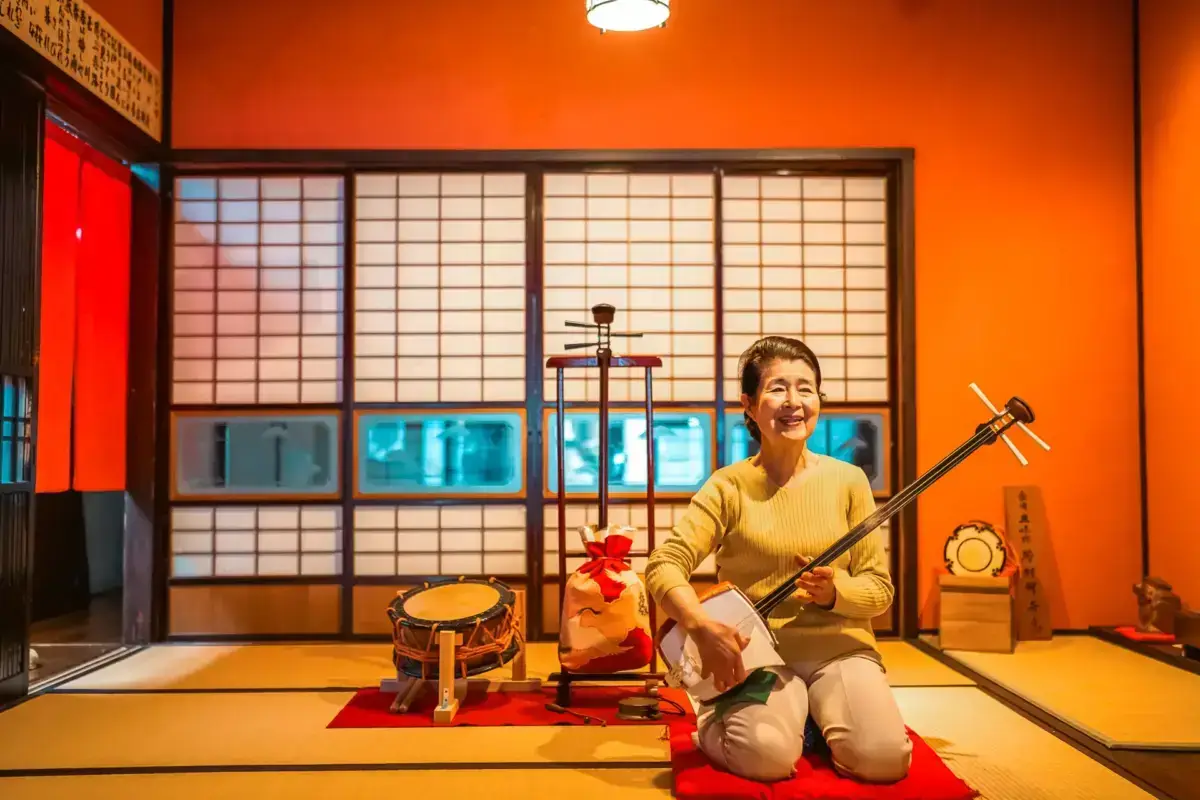
Smiling woman in yellow sweater kneeling on tatami floor while holding a shamisen, a traditional Japanese three-stringed instrument, in a room with orange walls and translucent shoji screens.
Mrs. Yoshimura, a shamisen player with 60 years of experience in preserving traditional performing arts in Mikuni, Fukui prefecture

Every word spoken by someone at the place, the scenery of that place seen through the lens of the local people—every single encounter left a deep impression on us, making our journey truly meaningful.

Isn’t this the true essence of travel?

Japan is home to many wonderful regions. We will continue to explore each of these regions and craft journeys that leave a lasting impact on your hearts.

This way of understanding the way of travelling has attracted attention overseas. We are pleased to share with you that Travel2Care talks about this experience, find out more in this article they have published!

If you wish to experience a memorable journey in Japan, please feel free to contact us. We also share various information on LinkedIn, so be sure to follow us for updates!