Traveling to Japan is not just about seeing the sights—it’s about immersing yourself in a culture that deeply values tradition, respect, and mindfulness.
Understanding and embracing Japanese etiquette is key to experiencing the country’s true luxury.
Whether you’re relaxing in a ryokan, participating in a tea ceremony, or dining at a Michelin-starred restaurant, observing these cultural nuances will enrich your journey and leave a lasting impression on your hosts.
In this guide, we’ll explore essential protocols for various experiences that high-end travelers frequently encounter in Japan. From navigating the subtleties of a tea ceremony to meeting local artisans, these tips will help you engage with Japan’s culture respectfully and meaningfully.
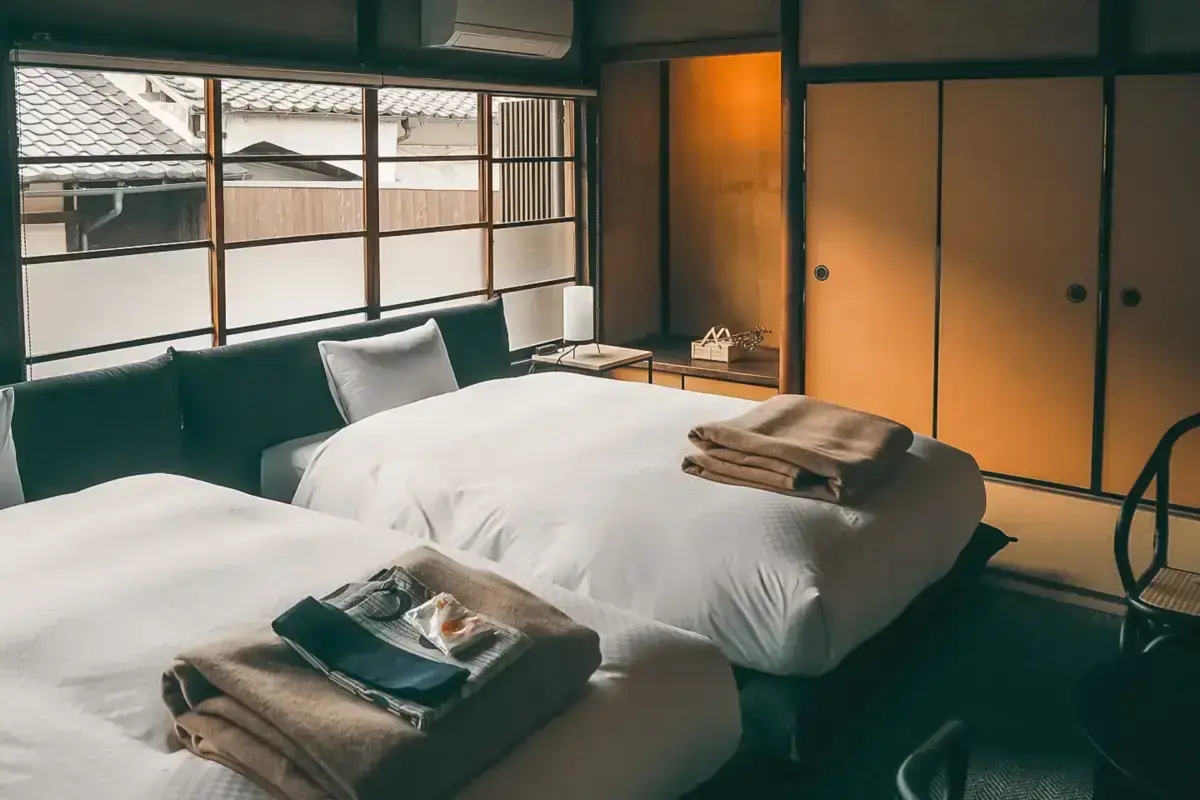
1. Hotels and Ryokan (Traditional Inns)
Shoes Off Always remove your shoes when entering a traditional Japanese inn (ryokan) or a private room in certain hotels. Slippers will often be provided.
Onsen Etiquette If your hotel or ryokan features an onsen (hot spring bath), make sure to wash thoroughly before entering the communal bath. Swimwear is not allowed, and tattoos should be covered, if possible, as they may be associated with the Yakuza (organized crime groups) in Japan.
Tipping Tipping is not customary in Japan and can even be considered rude. Exceptional service is expected and included in the price, so there’s no need to tip hotel staff.
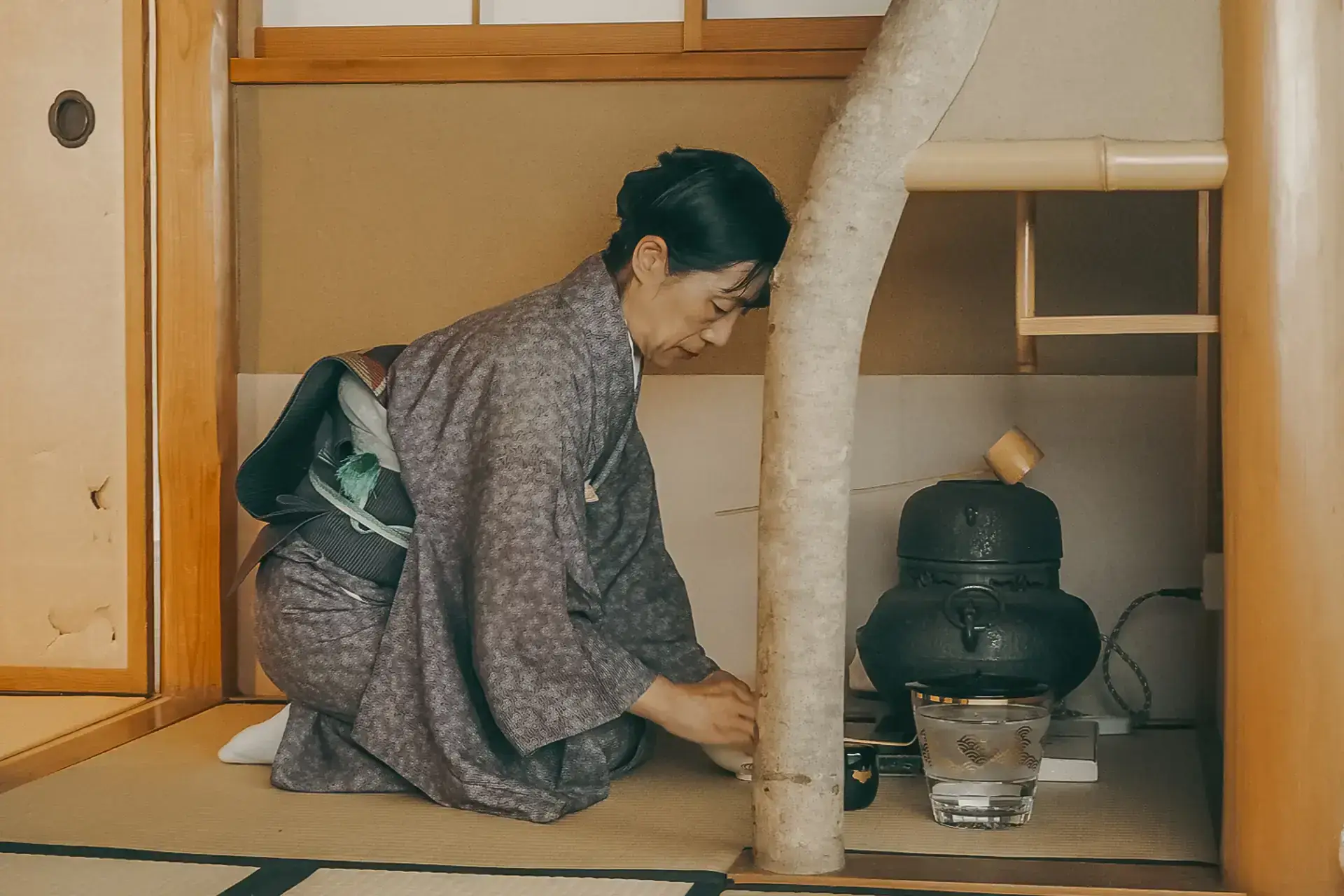
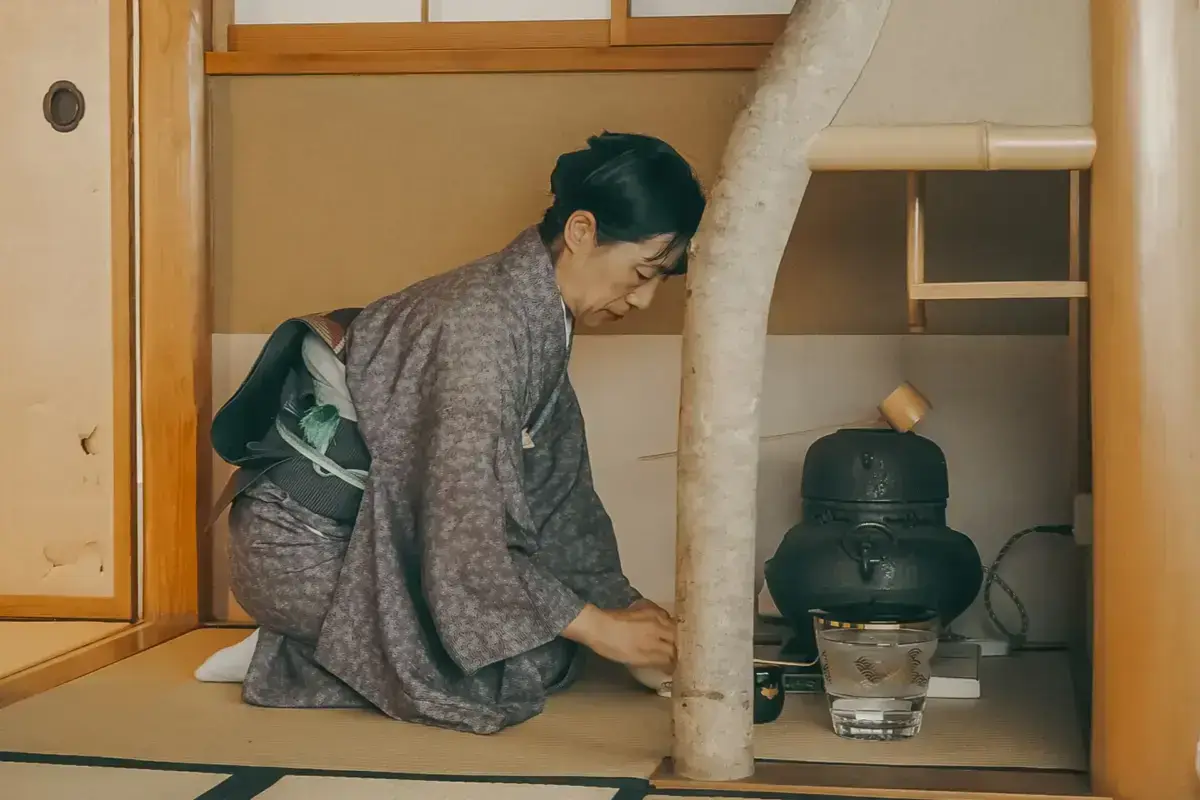
2. Tea Ceremonies
Timing Arrive on time, as punctuality is highly valued in Japanese culture.
Dress Modestly Wear conservative, respectful clothing. If participating in a formal tea ceremony, avoid strong perfumes, as they can interfere with the delicate aroma of the tea.
Respect the Ritual Follow the host’s lead during the ceremony. Upon entering the tea room, you will sit in order of seniority as a sign of respect. Before taking a sip, it’s customary to say “let me go ahead” to the next person. The tea master will remind you that in the tea room, we are all equals, sharing in the harmony of the moment.
Appreciate the Space Observe the tea room’s aesthetics, from the flower arrangements to the hanging scroll. These elements are carefully chosen and are integral to the ceremony’s atmosphere. As you savor the tea, you will feel the season through the carefully chosen hanging scroll, tea bowls, and sweets—a gesture of hospitality from the master.
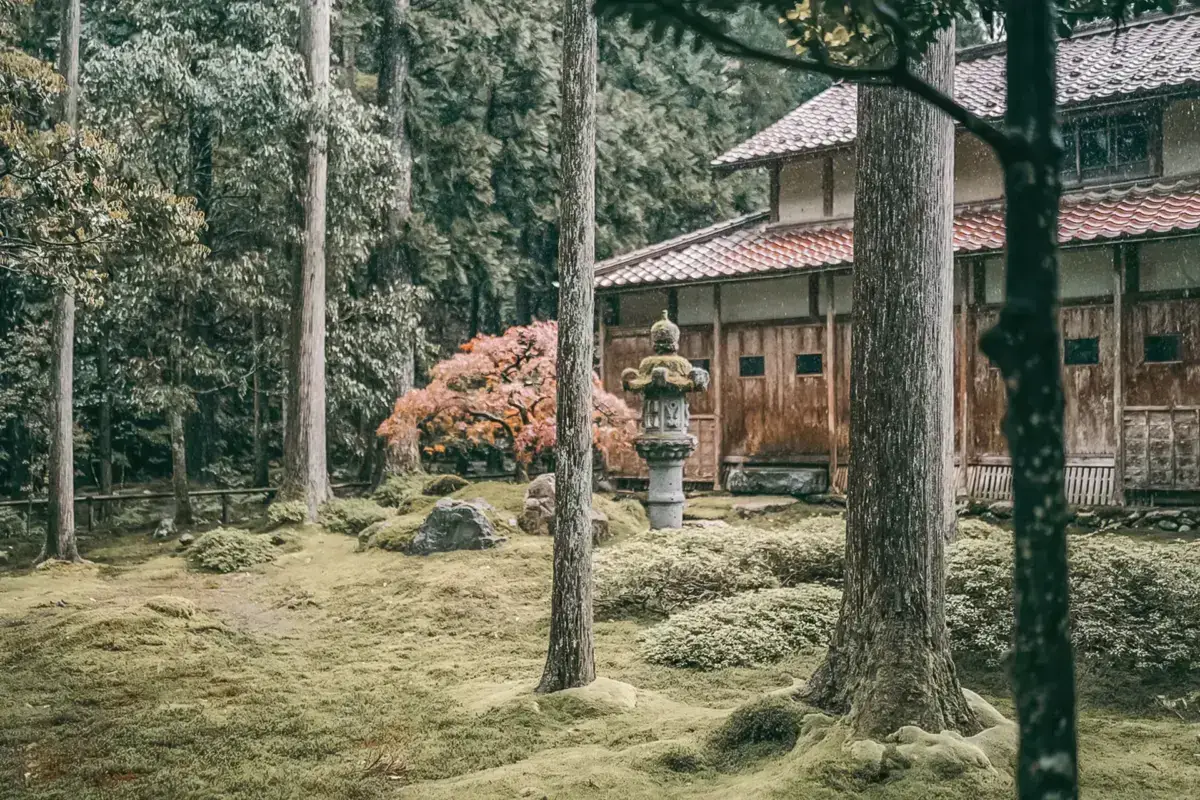
3. National Parks and Natural Sites
Leave No Trace Japan places great emphasis on cleanliness and respect for nature. Always take your trash with you and avoid picking plants or disturbing wildlife.
Silence is Golden When visiting sacred sites or quiet natural areas, maintain a low volume and enjoy the tranquility. Speaking softly is appreciated, allowing you and others to fully experience the serenity.
Follow the Paths Stick to designated trails and paths to protect the environment and preserve the natural beauty of these areas. This is particularly important in fragile ecosystems.
Nature guides Knowledgeable nature guides are also essential—they’ll not only enrich your understanding of Japan’s unique ecosystems but also ensure you follow proper etiquette and protect these beautiful landscapes.
4. Dining in Luxury Restaurants
Reservations High-end restaurants often require reservations, sometimes weeks or months in advance (we will take care of that!). Be punctual, as being late is considered disrespectful.
Chopstick Etiquette Avoid sticking chopsticks upright in a bowl of rice (this resembles a funeral ritual). Instead, rest them on the provided holder or across your plate when not in use.
Respect the Chef In omakase (chef’s choice) dining experiences, it’s customary to show appreciation for the chef’s skill by trying everything served. If you have dietary restrictions, inform the restaurant when making the reservation.
Paying the Bill At high-end establishments, the bill is often discreetly placed on your table, and you should not attempt to hand over cash directly. Place your payment in the provided tray instead.
5. Visiting an Art Exhibition
Quiet Observation Art exhibitions in Japan are often quiet spaces where visitors are expected to observe the artwork in silence. Speak softly and avoid using your phone.
No Flash Photography Many exhibitions prohibit photography altogether, but if allowed, avoid using flash as it can damage the artwork and disturb other visitors.
Respect Personal Space Japanese culture highly values personal space. When viewing artwork, maintain a respectful distance from both the art and other visitors to allow everyone to enjoy the exhibition fully.
A Journey of Respect and Immersion
Understanding and respecting Japanese etiquette is not just about following rules—it’s about embracing a way of life that values harmony, respect, and mindfulness. For high-end travelers, these protocols offer a deeper connection to Japan’s rich cultural heritage, transforming a luxury trip into a truly immersive experience, both memorable and meaningful.
Explore Japan with grace and appreciation, and you’ll discover that the true luxury lies in the depth of the experience.